
Gardening tasks in January? Yes, here are 10 tasks for North Texas landscapes
Some folks might have a hard time naming 10 critical tasks that need to be done in the next four weeks, but not the old taskmaster Neil. I’ll even prioritize them for you in terms of what needs to be done first. See if you agree.
▪ Check trees for any branches that could fall in strong winds, ice, or snow. This applies to all shade trees. Decay can set in to branches that have not been properly pruned. Freeze damage can still be taking a toll, even almost four years after the terrible damage done by the extreme cold of February 2021. Dead branches can be very weak, and they’re probably also quite heavy. In most cases it’s best to have a certified arborist assess their condition and do the removal safely.
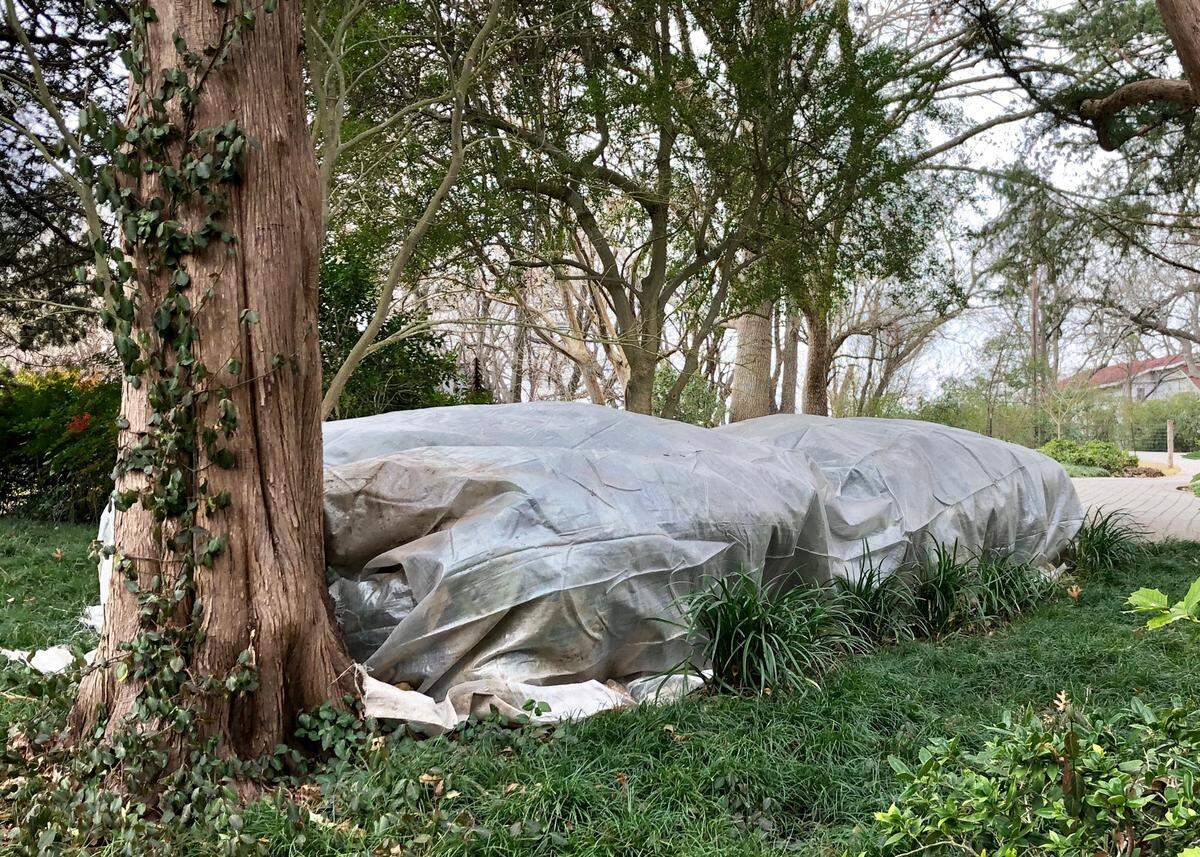
▪ Buy and prepare frost cloth to be ready for extreme cold should it blow in. These are special lightweight fabrics that are pulled over vulnerable shrubs, groundcovers, and winter annual color. They give 7 or 8 degrees of additional protection. They stop the harsh winter winds while still allowing the sun’s warming rays and even rain to penetrate them. They can be left in place for several weeks if necessary. Plastic is not good, and the green covers overheat and warm up too rapidly.
▪ Work garden soil to incorporate organic matter so it can begin to blend together prior to plantings. Veteran gardeners and farmers refer to it as allowing their soil to “mellow.” You’ll want to include several inches of organic matter such as sphagnum peat moss, well-rotted compost, manure, and shredded bark mulch. If you’re amending a clay soil, add in 1 inch of expanded shale. Rototill to a depth of 8 to 12 inches.
▪ Have your soil tested before the spring rush. This is not a do-it-yourself task. Work through a recognized laboratory such as the Texas A&M soil testing lab in College Station. They have the equipment and the experience to analyze your topsoil. Their website (https://soiltesting.tamu.edu) will give you sampling instructions and mailing and payment details. It’s a good idea to have your soils tested every three or four years. And don’t be surprised if the results show you need to add primarily nitrogen, even though you’re growing flowering and fruiting plants. Our local clay soils tend to retain excessive amounts of phosphorus, even to harmful quantities.
▪ Plant asparagus roots. These are long-term vegetables that are sold in early January as dormant 2-year-old roots. Buy quality roots from a local independent garden center where they have been kept fresh and vigorous, probably packed in moist sawdust. Set them into well-prepared garden soil where they can grow for many years.
▪ Take power equipment in for repairs before you’ll need it. These shops get swamped as spring approaches. Wise gardeners beat that rush by taking poorly running equipment in now.
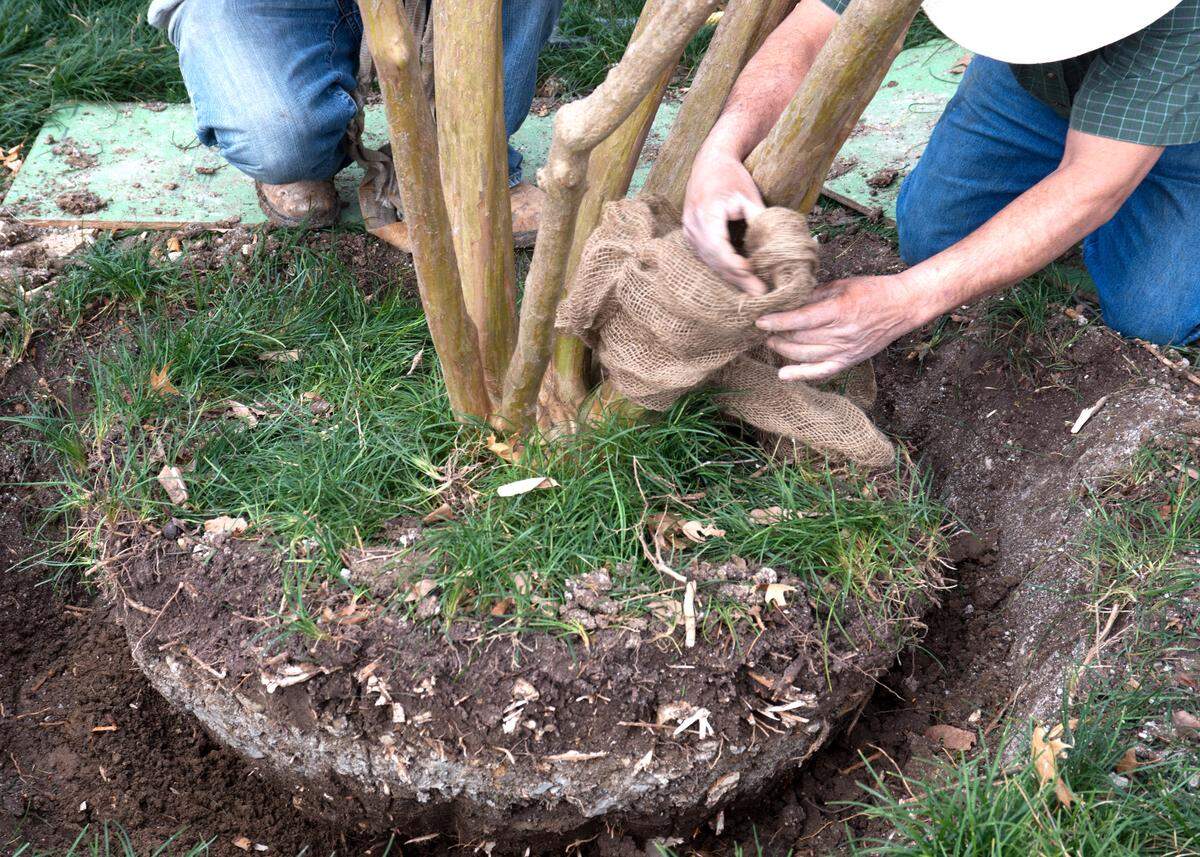
▪ Transplant trees and shrubs that need to find new homes in your landscape. Woody plants must be dug and transplanted while they are dormant, and that means the two months from mid-December through mid-February. Be patient as you dig them. Use a sharpshooter spade to cut all the roots carefully. Hold the soil balls securely around the root system. Wrap the soil ball in burlap and carry the plant by holding the root ball, not the trunk. Set it at the same depth at which it was growing originally. Pack soil in around it and water it deeply. Prune to compensate for roots lost in the digging and stake and guy trees as necessary.
▪ Prune peach and plum trees. Your goal here is to remove all vertical growth as you maintain the trees in bowl shapes. Mature sizes should be 8 to 10 feet tall and 14 to 16 feet wide. Begin this training the first year that the trees have been planted and keep after it each January.
▪ Reshape overgrown shrubs carefully. You can reduce the size and width of most shrubs by 25% to 30%, sometimes more, if you do it with lopping shears and hand pruners instead of hedge shears and power equipment. Your objective will be to remove stubbly growth and any barren branches so that new growth can easily fill in the voids. Make the cuts at different heights so the plants don’t look like they’ve been scalped. Follow the pruning up with an application of an all-nitrogen plant food in early March to promote new growth.
▪ Clean and sharpen all tools. You’ve probably invested in good gardening tools. Take care of them. Not only will they last longer, but they will also perform better. That goes for cutting tools like pruners and mowers, and it holds true all the way down to garden hoes. You’ll feel a noticeable difference once you sharpen them.
You’ll notice one chore is missing. You don’t need to “top” your crape myrtles. In fact, here’s hoping that you won’t even consider it. It’s simply the worst possible thing you can do to crape myrtles. It reduces and delays their total blooming, but more than that, it ruins their growth forms forever. If you have a crape myrtle that has outgrown the space you have available for it, either move it or remove it entirely. There are plenty of shorter varieties if you want a crape myrtle there. Use one of them.