
For color in your North Texas garden, follow these tips and start before the cold arrives
My wife and I were running errands a few days ago when I saw a landscape crew changing out the color plantings in all the beds in a large shopping center. Out with the red-leafed wax begonias and in with the pansies. Actually, violas. More on that in a moment.
This is the time of year to get all that done, even if it means uprooting plants that still have a few weeks of color left in them, because those cool-season bloomers need time to get themselves growing before cold weather arrives. The landscape folks have been down this road a few times and they know what they’re doing.
As I mulled over what we might discuss here today, I decided what better than to outline the steps those folks take to get all that color we’ll be seeing the next several months. You still have time to watch them. See if these aren’t the ways they accomplish their magic.
They start with quality plants. Most of them buy from wholesale growers with whom they’ve done business in past years. We retail consumers translate that into buying from reputable nurseries who handle healthy, vigorous stock. It’s not necessarily always the least expensive. We want the best. Quality outweighs price here.
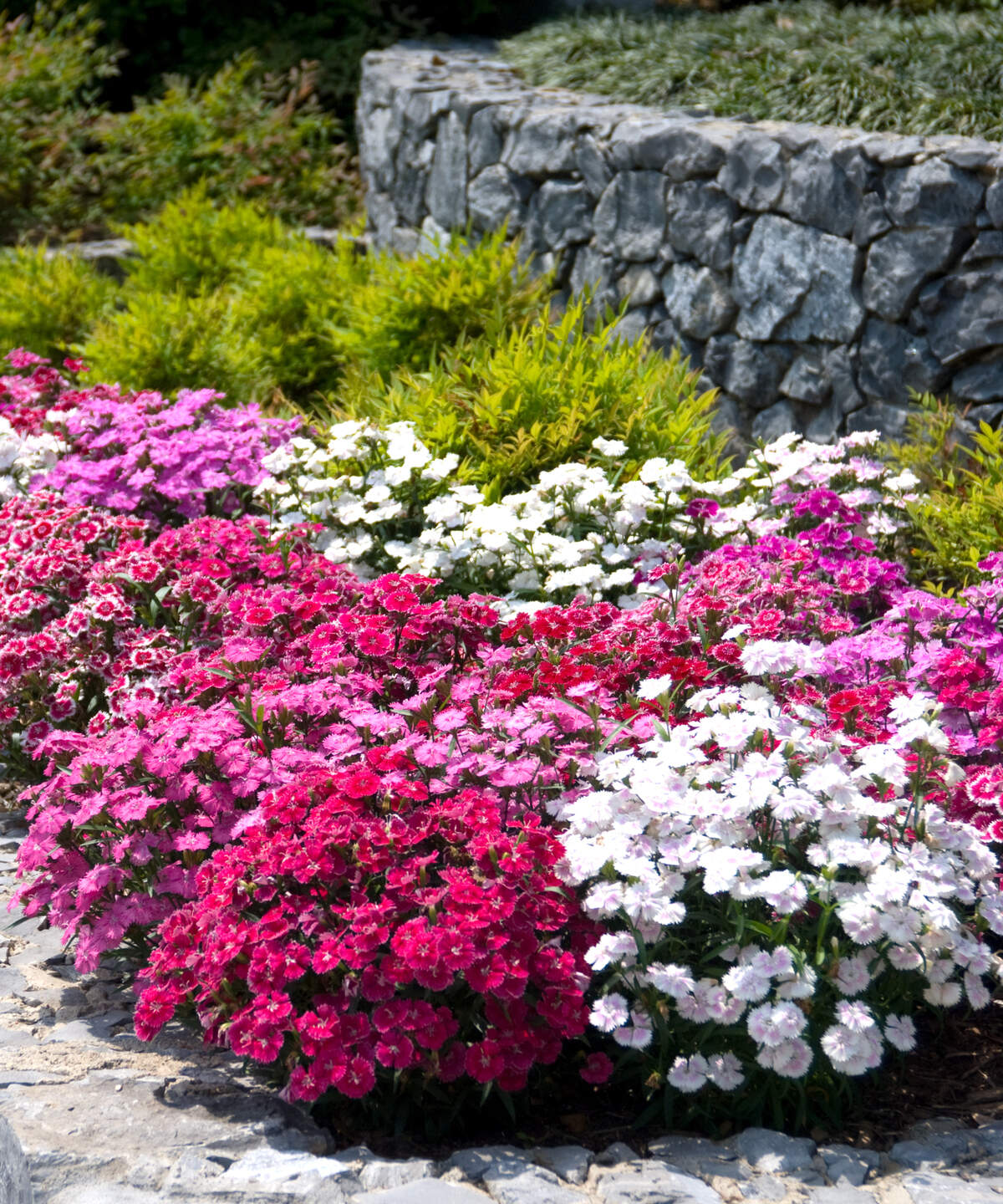
The commercial folks are careful about the varieties they choose. Many attend grower field days or seminars. They stay tuned to trade publications and they talk to their suppliers about the best-performing cultivars for their needs.
That’s where I circle back to those violas. They’re the smaller-flowering sisters to our popular pansies. At which point the average consumer wants to know why any proud Texan would settle for a smaller flower. The answer comes in performance. Violas produce several times as many blooms per plant as large-flowering pansies, and that results in a lot more show for people driving by. You and I aren’t going to get out of our cars and walk up to those beds to ogle the large flowers. We’re going to see the beds as a mass of blooms. Goal: to create a bouquet of beauty to get customers into a cheerful attitude.
Third step in the preparation for planting (after starting early and buying great plants) is to rework the soil before planting every new crop. That means adding several fresh inches of compost and peat and rototilling again to a depth of 8 or 12 inches. In doing so you’ll be re-raising (is that even a word?) the bed above the surrounding grade to ensure perfect drainage.
Set the plants out at the appropriate spacing. You want them to grow together to cover the soil, but not to crowd one another. For pansies and violas that’s going to mean you’ll be planting on 10- or 12-inch centers checkerboard style. Pinks will be more like 8 inches apart. Ornamental cabbage and kale would need more room, so you’d space them 16 to 20 inches apart. Ask your Texas certified nursery professional about spacing for any other types of plants you might buy.
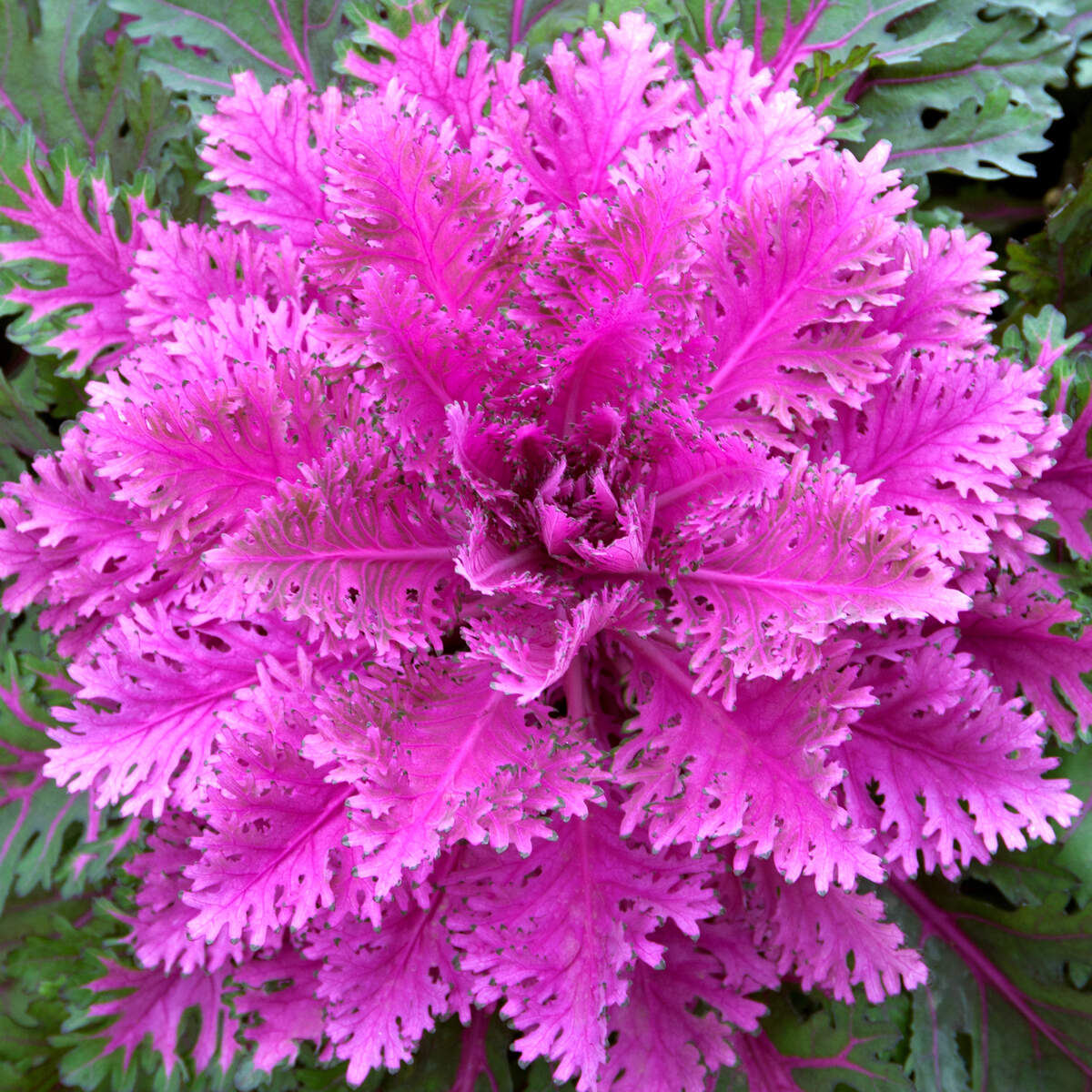
Use a hose with a water breaker to help your new plants get settled. Water them deeply, then come back and do so again. Take care that you don’t cause the fresh soil to wash away. If you have a sprinkler system with heads, use it for this watering. Turn it on manually to water each bed but make certain it’s doing so uniformly.
Fertilizer is critical in getting these new plantings established and in keeping them vigorous all winter. I don’t believe the commercial landscapers probably take time to use a water-soluble, high-nitrogen fertilizer with a siphoning proportioner to feed their plants, but you could. That guarantees almost instant feeding. Otherwise, apply a high-nitrogen, lawn-type fertilizer (no weedkillers included) at the time of planting and every three weeks through December. Resume the feedings in mid-February until you change out the beds again in mid-spring. Brush fertilizer pellets off flowers and foliage and water deeply immediately after you feed.
Many of the better commercial landscapers have already stocked up on frost cloth for winter protection. We consumers should do that as well. We can cover our winter color and other vulnerable plants to gain 8 or 10 degrees of protection. It’s amazing to see pansies that are in full bloom when they’re covered, then get exposed to temperatures in the low 20s, and come out the other side still in bud and bloom. Frost cloth is available at better nurseries and garden centers now. Get it and cut it to fit all your existing beds. Roll it and label it so you can quickly cover things up should the weather head south in a hurry. Have bricks or river rock on hand to weight it down at the edges.
Finally, make provision to water your winter color. Plants will grow well if we keep them properly hydrated. Water deeply a day or two before cold fronts blow through. Water every five to seven days if we don’t get rain here.
That, then, is how the big kids accomplish their horticulture. Nothing fancy. Just following the steps and using common sense.