
There’s lots to get done in your North Texas landscape. Here’s the list for March
It’s hard to imagine a time when there’s more to get done with your lawn and in your landscape. The first days of March mark the end of the dormant season, and by the time this month ends things will be in full swing. Let’s get you prepared.
Lawn care
▪ Scalp your turf to remove browned leaf stubble killed by this winter’s cold. Do so by dropping the mower one notch, perhaps two. Start in an out-of-the-way area to see which height would be better. This is mainly aesthetic, but it does remove many of the actively growing weeds so that they won’t come back. It also exposes the soil to more sunlight so it will warm up more quickly. Your turf will green up a week or two earlier, plus you’ll be able to see the developing growth. Bag the clippings and put them in the compost. Do not send them to the landfill.
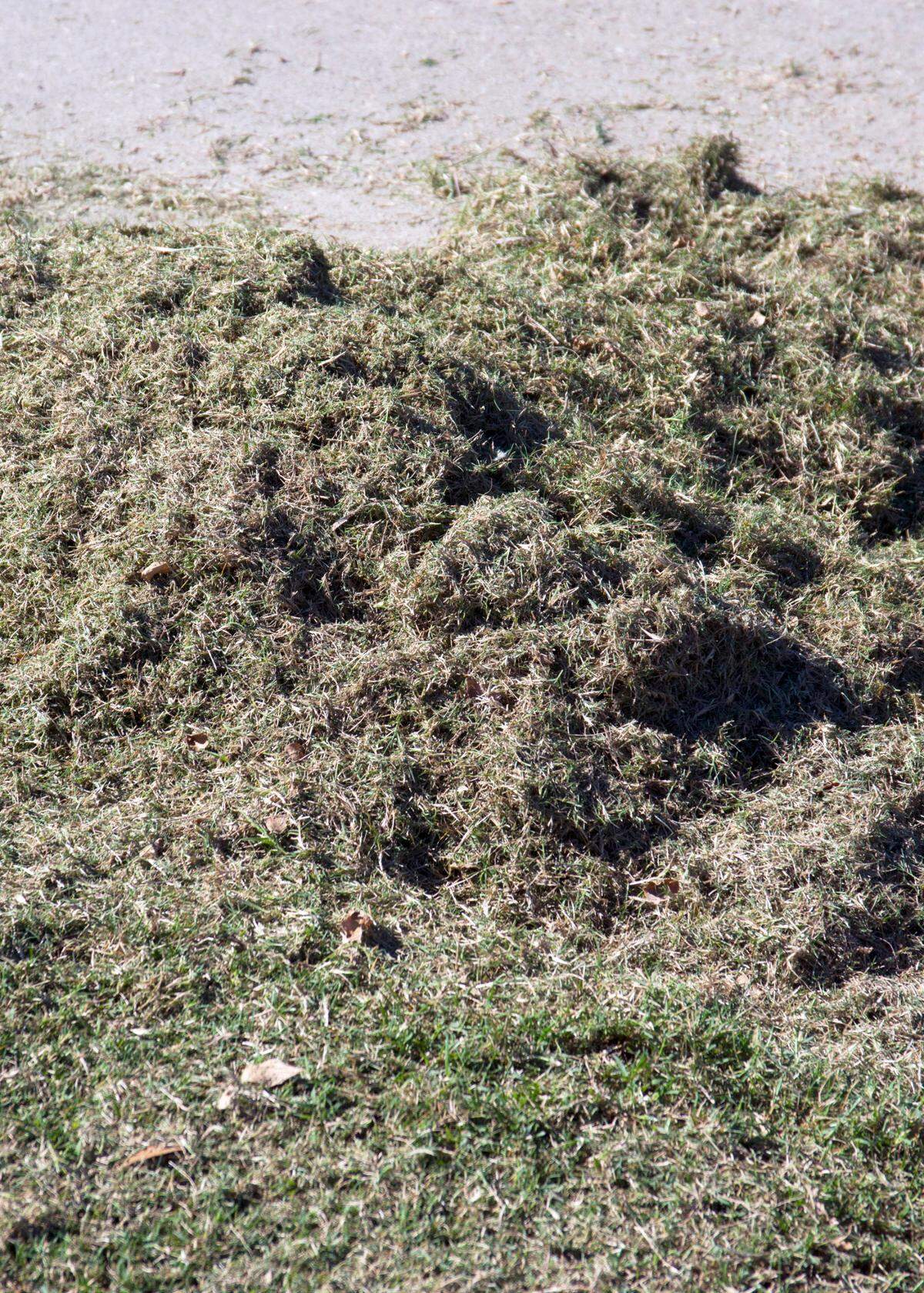
▪ Apply a broadleafed herbicide spray to eliminate clover, dandelions, henbit, chickweed, and other non-grassy weeds. If you have scalped your lawn, wait 10 to 14 days for the weeds to regrow before you spray. It needs to be applied to vigorous new growth. Read and follow label directions for best results. Note that these are not “weed-and-feed” products. It is too early to fertilize lawns in North Central Texas.
▪ If you have bare areas and if you’re hoping to start new grass to cover them, be cautious that they’re not beneath trees where excessive shade might have caused the old turf to die out. I see hundreds of gardeners wasting money each spring planting new sod in areas that don’t get the required six or more hours of direct sunlight for St. Augustine to survive. (Bermuda needs more.) And avoid the “miracle” grass seed blends that claim to patch the bare areas. They’re seed blends of northern cool-season grasses that won’t do well in the hot Southwest. They should never be sold here.
Shrub care
▪ Finish all dormant-season pruning to reshape your shrubs as soon as possible. That includes broadleafed and cone-bearing evergreen types. If possible, avoid formal shearing into unnatural square or round shapes. That just makes for extra work.
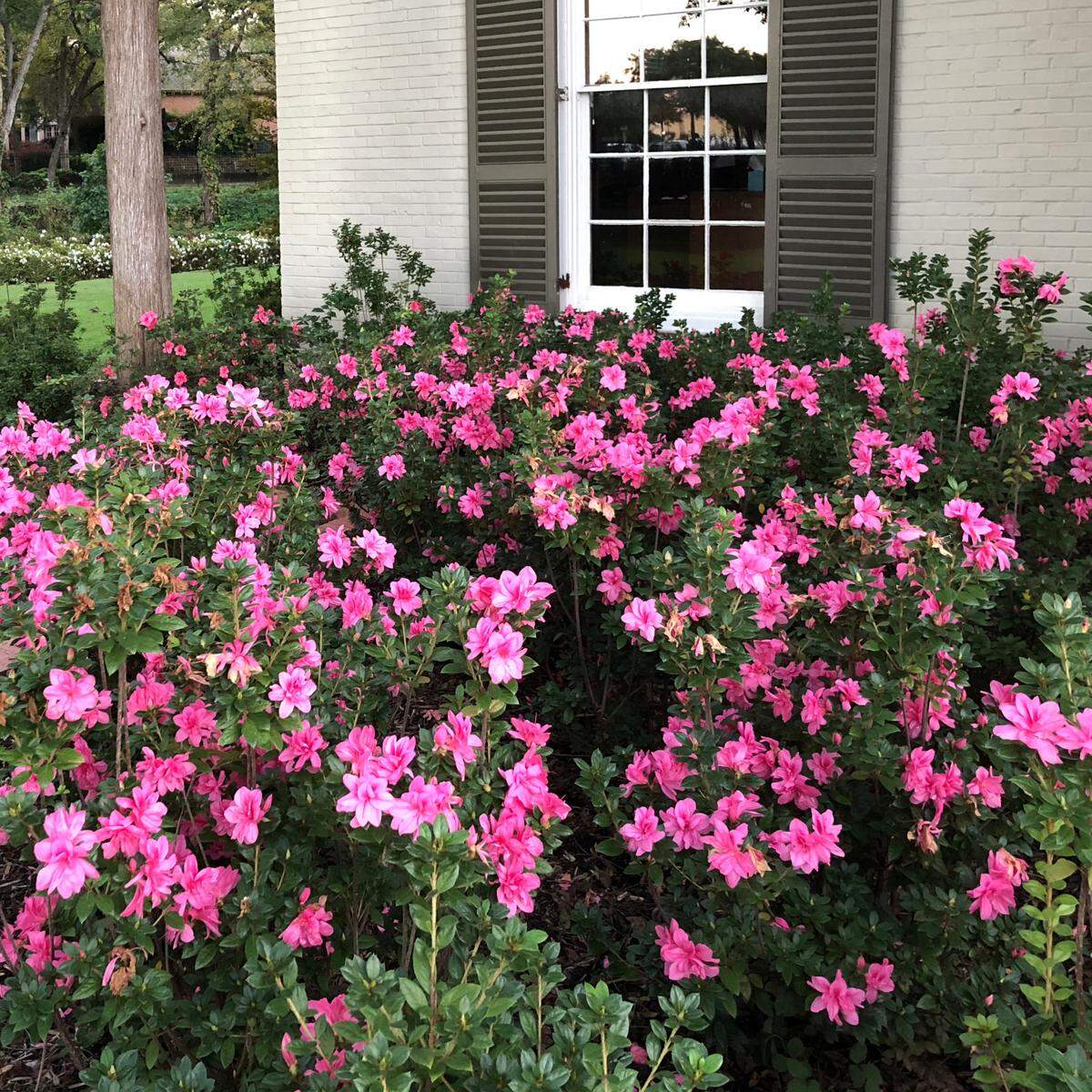
▪ Wait to prune spring-flowering shrubs and vines until immediately after they finish blooming. At that point you’ll be able to reshape the plants and remove unsightly, erratic growth. That will give them the entire growing season to fill back in.
▪ Do not “top” your crape myrtles. It ruins their natural growth forms forever and leaves you with grotesque stumps half of the year. It also limits their number of bloom cycles. It’s just a really bad plan all around.
▪ If you’re wanting to plant new shrubs, a word to the wise: buy early. We’re already hearing that supplies of some of the most popular types are going to be running low.
Shade tree care
▪ If you’re planting or transplanting a new shade tree, set it at the same depth at which it was growing previously. Be certain that it is absolutely vertical, then stake and guy it to keep it plumb. Leave the supports in place for a couple of years but be careful that they don’t girdle the trunk as the tree starts to grow. Wrap the trunks of slick-barked trees (red oaks, Chinquapin oaks, Chinese pistachios, red maples, etc.) to protect them against sun scald. Paper tree wrap products work great when applied from the soil up to the lowest branch and left in place for the first couple of years.
▪ While you can still see through the canopies of dormant trees remove damaged or dead branches. The cut surfaces will heal faster when the branch collar is left in place. It is not necessary or even recommended that you apply pruning sealant to cuts. It slows down their healing.
▪ Oaks deserve a special call out. Dead wood in oaks can always be pruned out. You do not need to paint cut surfaces if you are not exposing any live tissues. This type of pruning has been common following the damage done by cold in February 2021. Other pruning can be done by a certified arborist who is trained in preventing spread of oak wilt. Home gardeners are better advised to wait until mid-summer when the oak wilt fungus is inactive.
▪ When removing large branches (greater than two inches in diameter) from a tree, use the three-step approach to prevent peeling damage to the main trunk. Begin with an undercut one-fourth of the way into the bottom of the branch 12 to 15 inches out from the trunk. Second, go three to four inches farther out and cut all the way through the branch from the top down. The weight of the branch will cause it to break and peel the bark on the bottom, but the undercut will stop it. Third, remove the stub of the branch back to the branch collar.
▪ When fertilizing your shade trees in a few weeks, you can use the same high-quality, all-nitrogen fertilizer you’ll apply to the lawn. Put it in the hopper and make an extra circle or two around the trees’ drip lines. They will compete favorably with the turf for the shared nutrients. There is no need for anything more complicated.
Note: As we approach the average date of the last killing freeze in and around the Metroplex around mid-March, next week’s column will address the things we should be doing for our flower and vegetable gardens to get them all up to speed.