
Smart gardeners start planning their landscapes now. Here are some guidelines
Have you ever watched a new building under construction over a period of months and marveled at how the crews knew all the steps of what had to come first so the pieces would all fit together?
Good landscaping works the same way. Those plants don’t just fall out of the sky and form a beautiful garden design. There is a sequence and there is order. Otherwise, you end up with gardening chaos. We’ve all seen it. Let’s hope we’re not creating it.
Spring is typically the time that average gardeners get the bug to make those landscaping improvements, but above-average gardeners start the planning process now to beat the rush. Let’s look at some guidelines.
For starters, decide whether you’re going to do all the planning yourself or whether you’re going to call in a pro. If you have a good feeling for design principles and if you know plants of the area quite well, you should be able to draw up a very attractive design on your own.
Most of us, however, fall short in one of those categories or the other. Registered landscape architects know design, but most of them are working on commercial jobs. You’re probably going to find a landscape designer who works either on their own or as part of an independent retail nursery to be a good compromise. That person will certainly know plants, and they should also have a great feeling for how to put them together. Perhaps you have friends or neighbors whose landscapes you admire. Ask who they used, and always ask for several references as you talk to these designer pros. Go look at landscapes they’ve planned, especially a few that have been planted for a year or two. Talk to the homeowner to check their level of satisfaction. They’ll be honored.
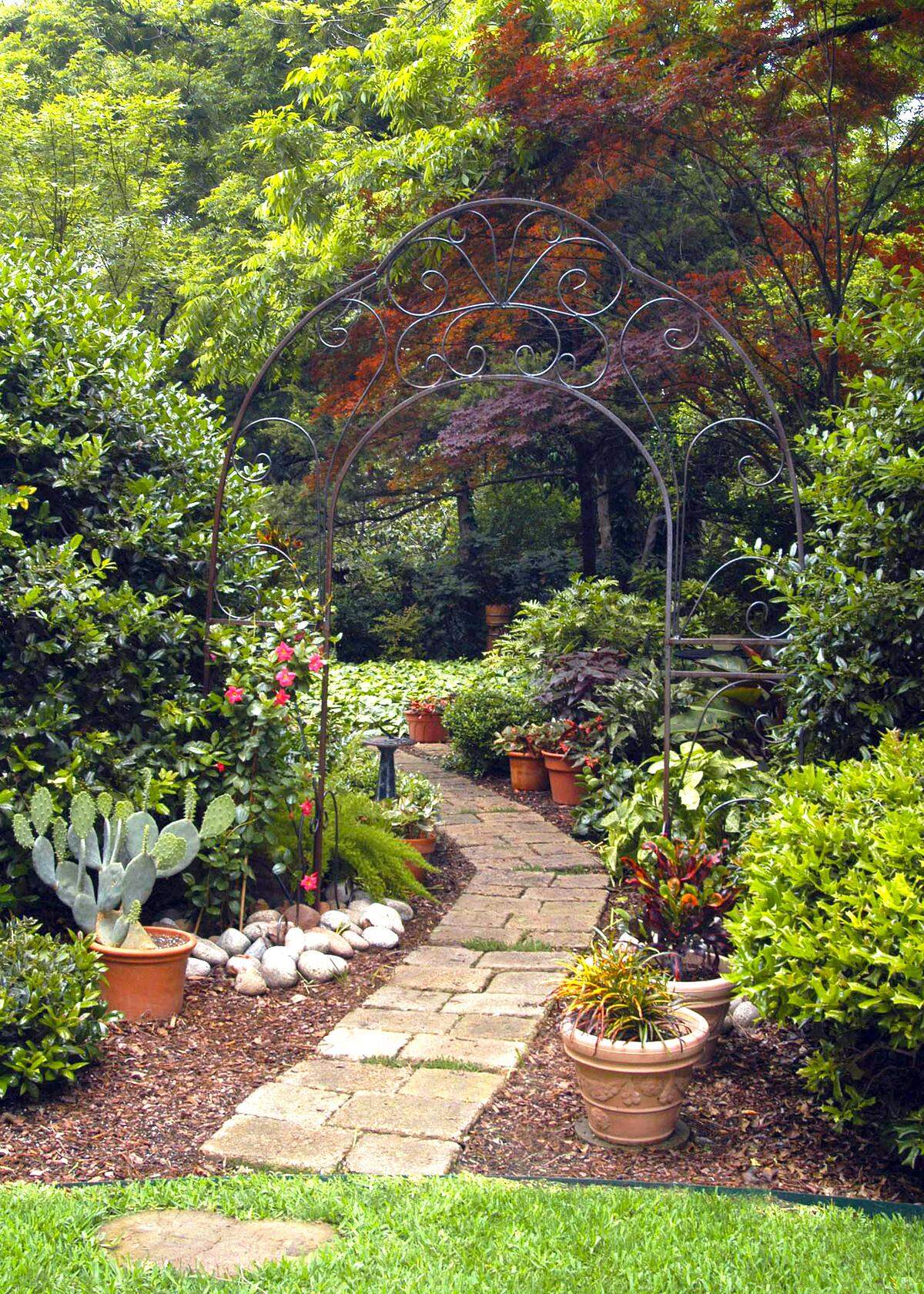
Whether you’re planning a planting for a new home or remodeling the landscape around an older house, the steps will be fairly similar. Start by establishing your landscaping goals as they exist today. If you have kids or grandkids, space for recreation will be important. Perhaps you want to set aside room for a pool, spa, or flower, herb, or vegetable garden. Maybe you see a greenhouse in your future, so you don’t build something so permanent that it would block access to the possible construction site.
If you’re remodeling an existing landscape, decide which plants will stay. Let me caution you, however, not to hang onto old, bedraggled plants that have suffered through droughts and freezes pitifully. You think nothing of changing carpet and cabinets inside your house. Have the same courage out in your landscape. Bring in fresh designs and ideas, new bed layouts and better plants.
You might start with those beds. So many homes were initially landscaped with straight little mustaches running from corner to corner. Often, they were out of scale with the size of the house, and frequently large plants were crammed into their small spaces. Widen the beds. You have the real estate. It’s amazing how great a six- or eight-foot bed can look.
Most of us would like our landscapes to look natural — as if our houses just miraculously appeared in a lovely garden meadow of shrubs and grass. Sweeping curves will be the best way to achieve that look. Straight beds merely repeat the lines of the house. Unless you’re designing some kind of highly formal garden plan, there’s nothing natural looking about them. They merely repeat the architectural layout of the dwelling.
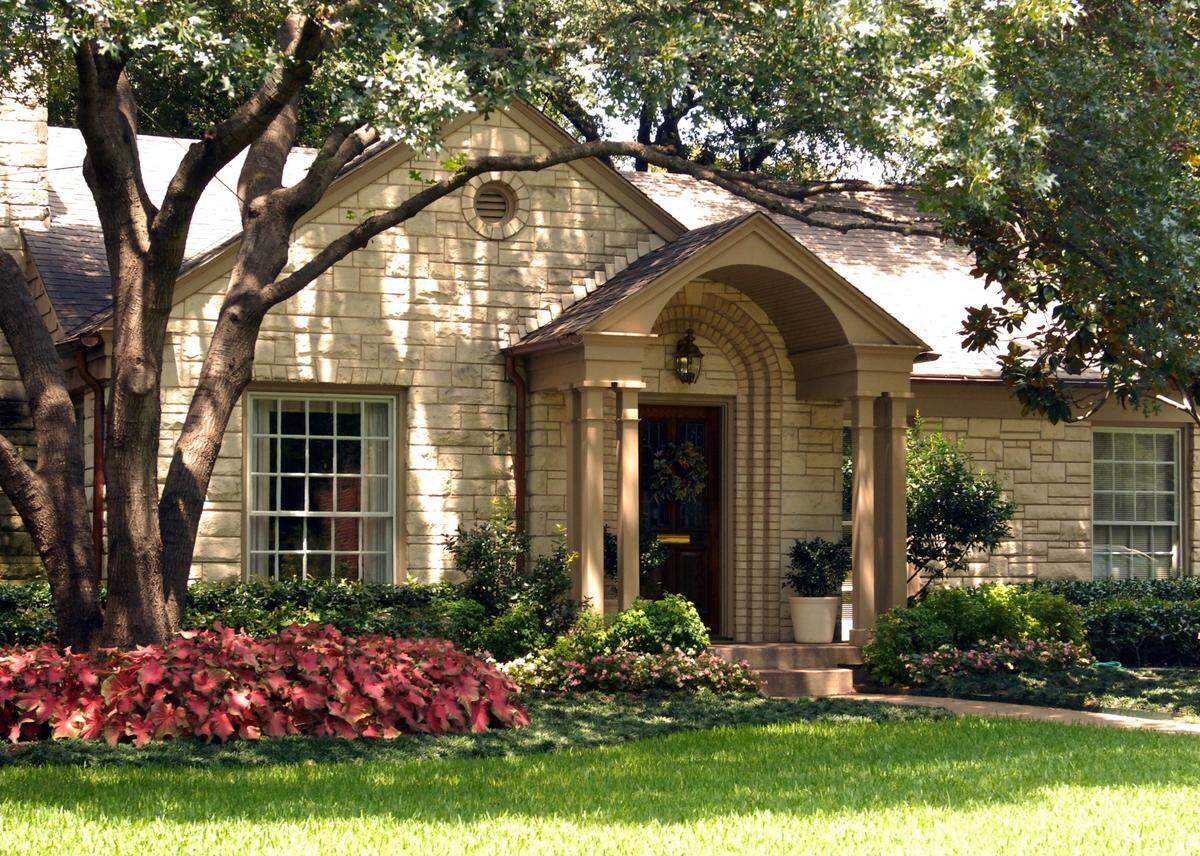
By comparison, if you can put a long, sweeping curve to work across the front of your house, that’s going to look far more natural. Then limit the numbers of types of plants that you use to five to seven and plant them in groups of the same types. You’d like some type of continuity to tie it all together visually, and that’s where a low groundcover can come in handy.
Within those five to seven groupings of shrubs you’ll want to have a mixture of textures and colors. Use more dramatic plants with larger leaves and somewhat taller growth habits at the corners of the house to form the frame to your design. Smaller leaves and spreading or arching growth give a softer texture. Great landscape designers use a blend of these textures to bring subtle beauty to their gardens.
Sometimes you want a shorter tree as an accenting point near an entry or off to the side of a patio, walk or driveway. Those are places where you might work in a tree-form yaupon or Nellie R. Stevens holly or a crape myrtle, or, if it’s shady, a handsome Japanese maple.
Save space for color in your garden design. However, it doesn’t have to be a long, labor-intensive flowerbed unless you want it to be. Seasonal color works very well in large decorative pots. Choose an odd number of these pots and feature your favorite seasonal annuals in them. They’re more easily maintained and less expensive to change out.
Looking for color really fast? You can get instant good looks by repotting blooming hanging baskets directly into them. And don’t forget foliage plants for color in your garden. It’s surprising how many handsome tropicals will do well in shady spots outdoors once freezing weather has passed.