
Neil Sperry: It’s time for apply preemergent in Tarrant County. Here’s what to know
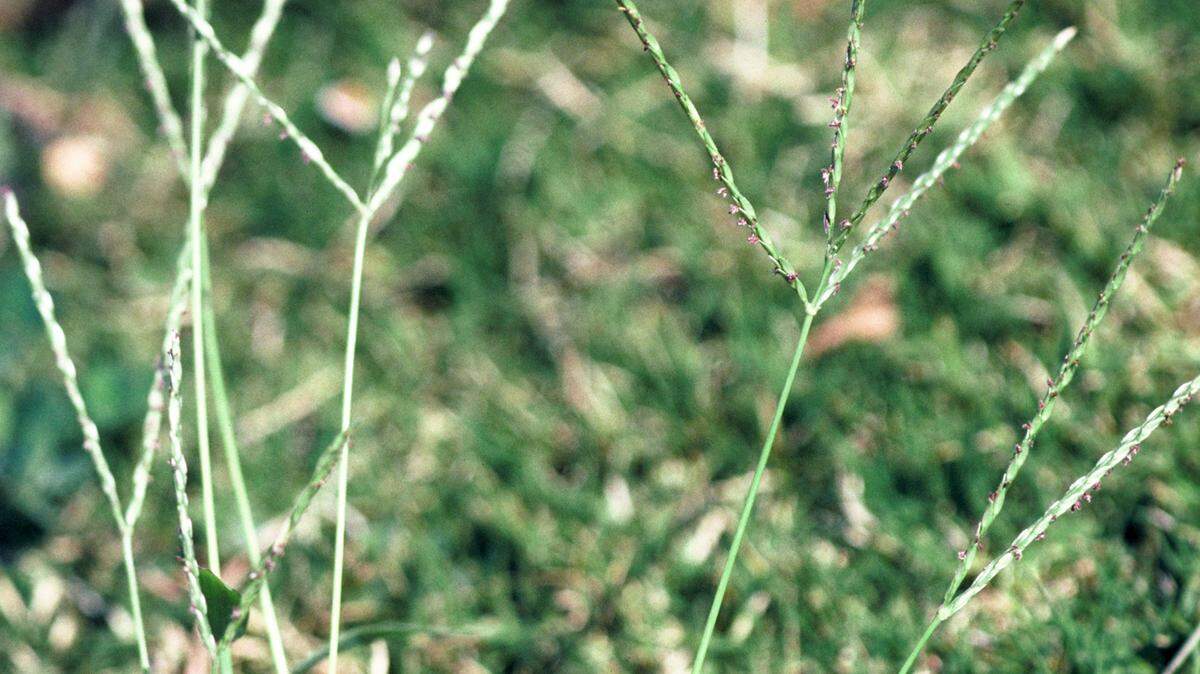
There are only so many ways a guy can tell a story without crossing his own footprints in the process. Pardon me if you’ve heard any of this before, but I get asked so many times each spring that it merits covering the topic again.
It’s time to consider applying preemergent weedkiller granules to your lawn if you’re hoping to prevent germination of crabgrass and grassburs this season. You basically get one chance and that chance comes now. Let me cover the facts in a way that hopefully will make sense.
▪ “Preemergent” means you’re applying these products before the weeds “emerge.”
▪We’re talking about annual weeds that come up from seed, so it would help if you’d think of this in terms of “pre-germination,” because once they’ve sprouted and are growing you’ve lost your chance at controlling them for another entire year.
▪ Timing, therefore, is critical. You want to apply the preemergent granules one to two weeks prior to the average date of the last killing freeze for your county. You can actually do a quick Google search and get that date for any county in America. (Don’t you love the Internet!)
▪ Here in Tarrant County that date is going to average March 18-22 (a week earlier near the downtown urban heat pocket). That means you’d want to apply the granules, in general terms, March 5-15 unless there are unusual weather patterns when you get closer to “game time.”
▪ The most common preemergent herbicides are Dimension, Halts and Balan. You’ll find them sold in nurseries, hardware stores and home centers, and feed stores under several common brand names.
▪ Each of those products has approximately 100 days of effective activity in your lawn. However, crabgrass and grassburs will germinate all summer and into the fall. Therefore, you’ll want to make a second application 90 days after the first, meaning you’ll want to treat again June 5-15 as a horticultural “booster shot.”
▪ These products can be used on any type of turfgrass, also around trees and shrubs. They will not affect them, although they should not be used on young turf until after it has gone through its first winter.
▪ It might be a good idea, while you’re buying your supply of preemergent granules for the March application to buy enough for the June treatment, too. Many retailers sell down their supplies after the big rush of early spring. Preemergents become harder to find by late spring and early summer.
▪ There are gardeners who insist they already have crabgrass growing in their lawns at this time. Unless they’re somewhere along the Gulf Coast, that is not the case! What folks mistake for crabgrass is actually rescuegrass, a common cool-season grassy weed.
▪ Cool-season weeds such as rescuegrass and annual bluegrass (Poa annua) germinate in September, grow during the cool fall and winter months and become unsightly in spring. Then they die out as it starts to get hot in May.
▪ To prevent those cool-season annual grassy weeds you apply any of the same preemergent granules, except instead of doing so in the spring, you do it between Aug. 25 and Sept. 5. So, three treatments are needed: two for the warm-season weeds crabgrass and grassburs, and one for the cool-season weeds annual bluegrass and rescuegrass (among many others).
That is the story of the timing and importance of preemergent weedkillers to Texas turfgrass. Does everyone need to apply them? No. If you have thick, healthy turfgrass, odds are that it has crowded out almost all weeds that have tried to enter. Proper feeding and watering and regular mowing may take care of all the weeds that otherwise might have invaded. Your vigorous lawn will push them aside. But, in the off chance that any of these annual weeds has invaded your life, this will give you hopes of eliminating it.
A couple of closing issues …
There are no preemergent products that will help with nutsedge, dallisgrass and other perennial weeds. Oh, they might to the extent that these plants do produce seeds that can germinate, but the greatest source of these weeds sprouting up elsewhere in your lawn comes from clumps that divide and multiply. You’ll have to spot-treat with a glyphosate-only herbicide to kill out the dallisgrass clumps. You can make big inroads with nutsedge by treating the ground that it grows in with Image or Sedgehammer.
One other pre-emergent herbicide, Pendimethalin, also has post-emergent characteristics. It is used both to prevent germination of the same list of grassy weeds, also as a means of eliminating existing weed seedlings before they gain any size. As always, read and follow label instructions.