
Neil Sperry: Now’s the time to start getting North Texas lawns ready for spring
For the most part our lawns are still looking like the middle of winter. However, within a couple of weeks things will start kicking into full speed ahead, and it’s wise gardeners who chart their course wisely. Let’s break it down in segments.
Last two weeks of February …
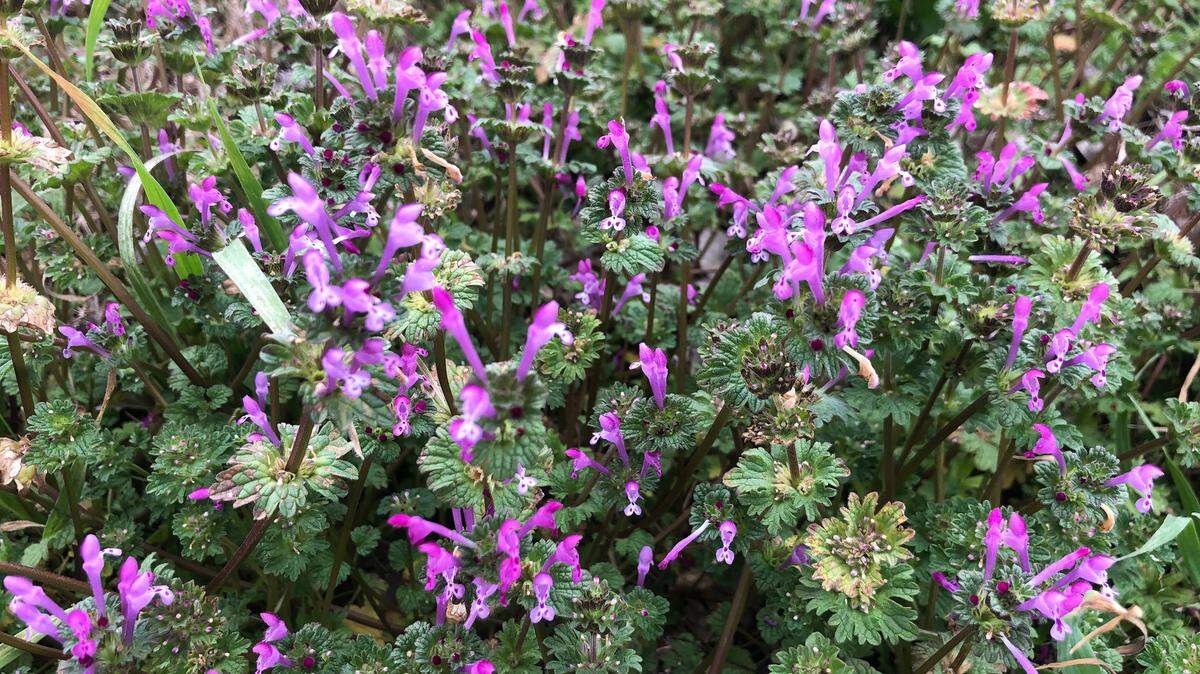
Mow your lawn to keep it tidy. Mowing eliminates many of the rank-growing, cool-season weeds. Plants like thistles, henbit and dock can’t handle the close mowing heights. You can kill them before they ever bloom and go to seed.
If you have low growing, broadleafed weeds such as clover, dandelions, chickweed and plantain, spray them with a broadleafed weedkiller containing 2,4-D as one of the active ingredients. It is a contact-only herbicide, meaning that it does not enter plants through their roots. However, you must exercise care when using these as sprays near shrubs, groundcovers and flowers. Most products on the market today contain two other active ingredients and are frequently labeled as “Trimec.” Those ingredients are active in the soil so you must be very careful when applying them around desirable trees and shrubs.
If you have dallisgrass, the tough-as-nails perennial weed, in your lawn, this might be time that you can eliminate it with minimal damage to your turf. It often greens up a couple of weeks earlier than our warm-season grasses. That could give you the chance to spot treat it with a glyphosate-only herbicide (no other active ingredient). Apply it with a spray bottle or tank sprayer (not a hose-end sprayer) so that you can be extremely precise.
Glyphosate becomes inactive as soon as it hits the soil, so it won’t be taken in by plant roots. It must go in through green leaves. However, be forewarned that if your bermuda or St. Augustine turf has started to green up you will kill runners in those patches where you spray. The patches should be small enough that the grass will quickly fill in from the sides.
Late February-early March …
Scalping is the process by which you remove all the browned stubble left over from the past winter’s cold weather. Usually, it means nothing more than dropping the mower blade down one setting and cutting the grass as you bag the clippings.
This is largely an aesthetic process. The lawn looks fresh and clean after it’s been scalped. However, you’ll also eliminate still more weeds with the mowing. Only the most robust types will come back after most of their tops have been removed, and by cutting at this time you’re probably going to be removing them before they bloom and go to seed.
Scalping also allows the sun’s warming rays to hit the soil more completely, and that means that the ground will warm up a week or two earlier. That translates into earlier green-up as spring unfolds.
As for timing the scalping, don’t feel like you have to rush. Weed removal may be a more important justification than encouraging spring green-up. If you look at the 10-day forecast and it’s calling for cold weather ahead, you can certainly wait as long as mid-March.
March 5-15 …
If you have typically had an influx of crabgrass and grassburs (sandburs) in your lawn from late spring into the fall, you need to apply pre-emergent granules before their germination. Your application of Dimension, Halts or Balan granules should be made one to two weeks prior to the average date of the last killing freeze for your area.
In the Metroplex that figures out to be March 5-15. In warm late winters the date might slide earlier, perhaps to March 1. I’ve seen cold early Marches where it slid back to March 15-20.
Those three pre-emergent materials are all effective for about 100 days, but the weeds can germinate all season long. That means that it’s important that you make a second application three months after the first. So, using the Metroplex as our target again, that would mean June 5-15. That would give you an overlap of coverage to offer the best possible prevention of these grassy weeds. There is no second chance – no herbicide that would safely kill them without harming your turf once they get started.
You would be wise to buy the second round of pre-emergent granules at the same time that you’re buying the first. Many stores close out their inventories by April and you’ll have a much harder time finding them in early June. Keep it dry in the garage until time of use and you’ll be fine.
One additional note: people often challenge these dates by saying that they already have crabgrass growing in their yard here in February. The truth of that is that it’s rescuegrass, a cool-season clump-forming weed. You can use pre-emergents to prevent it just as you do the spring weeds, but that application must be made around September 1 since rescuegrass germinates in the fall.
After April 1 …
I’ll be writing more about these things closer to that time, but you want to wait to plant new bermuda, St. Augustine or zoysia sod until early April and until late April or May to sow bermuda from seed. They need warmer soil to establish properly.
You also want to wait until early April for the first feeding of your warm-season turfgrass. That would be with an all-nitrogen lawn food that has up to 35% or 40% of its nitrogen in slow-release form. I am not an advocate of weed-and-feed products. There is too much chance of damage to desirable plants with the weedkiller, plus it needs to be applied many weeks earlier than the fertilizer.