
Neil Sperry: Tips and techniques for timing your North Texas vegetable garden
Last week I shared with you the details of getting your vegetable garden off to a great start for 2023. I’m just guessing that high food prices are going to send more of us out into the backyard to grow our own groceries.
In quick summary, I spoke of the critical importance of great soil preparation prior to planting, including rototilling five or six inches of various forms of organic matter and one inch of expanded shale into the top foot of soil.
I went on to give a planting schedule for those crops that need to be planted later this month in the Metroplex area. They are asparagus (from dormant 2-year-old roots) and snap-type English peas.
Next to be planted around mid-February were cabbage, cauliflower, Brussels sprouts, broccoli and Irish potatoes. And then, late in February or very early in March locally, we topped off the first list with leafy and root vegetables such as carrots, radishes, turnips, beets, lettuce and spinach.
Remember your average frost-free date
This is important enough that it merits mentioning twice. Google your county or city name and ask, “What is the average date of the last killing freeze for __?” That will be the date when half the time you can expect no more temperatures approaching freezing. That’s like the Continental Divide for vegetable gardeners because most of our really important vegetable crops must be planted after that date. In the Fort Worth/Dallas suburbs that date is approximately March 20. Within the downtown areas (the “urban heat pockets”) you can figure it will be slightly earlier, probably by a week or 10 days.
If I’m planting vegetable transplants like tomatoes, I may wait until a week after that average date because by then I have a probability of less than one chance in three of one more killing frost. I’ll look at the extended forecast and when it looks safe, I’ll set out my transplants.
Peppers do better in somewhat warmer soils, so I’ll wait a week or so longer with them. Eggplants need warmer soils still, so if I liked eggplants (smile, Neil), I’d wait until early to mid-April to plant them.
Let’s move back to the average frost-free date of March 20 and let’s talk about crops that you will be planting from seed. That list includes many of the most important ones: green beans, sweet corn, squash, cucumbers and melons. Seed is much less expensive than transplants, so I’m much more willing to take a chance by planting those on or shortly after the frost-free date.
Last to be planted are okra and southern peas. Those need really warm soils and summer doesn’t intimidate them in the slightest, so we can wait to plant them until mid-April or even later. Sweet potatoes are planted from slips, and they, too, need warm soils. Once again, April is the planting time. Just a word to the wise regarding sweet potatoes: they do far better in sandy soils than they will in the heavy black clays that predominate the Metroplex.
Tricks of timing and technique
Planting at the proper time is of utmost importance. I stated it last week and it needs to be said often: if you’re too early cold soils or cold weather can cause a crop to stall or die. If you plant too late the warm weather will usually cause your produce to be hot, bitter or off-flavor. It can also result in very poor yield. If for any reason you don’t get a crop planted on time, fill that space with the next crop in line. There’s no point in wasting your time and effort on a planting that’s doomed to poor results.
Keep your plants properly fertilized and watered so that they will grow at maximum rate. Know the proper stage of maturity for best harvest. Many people leave produce in the garden too long. The cucumbers get bitter or the squash becomes woody. Do your homework ahead of time so you’ll know.
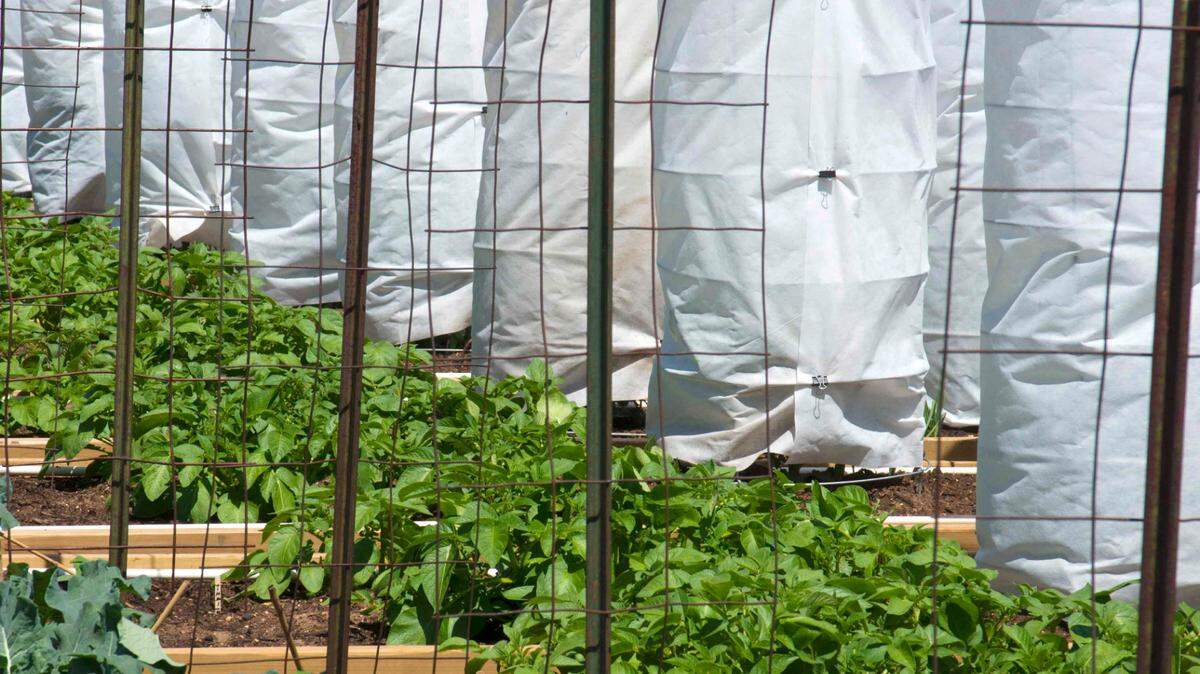
That frost cloth you’ve been pulling over your shrubs and annuals for winter protection can be a big help in the vegetable garden as well. Cover young seedlings on cold nights as they’re getting started. It might help them survive without damage from an unexpected late frost.
Pull frost cloth up around your tomato cages and leave it in place while the plants are getting established. It will make a remarkable difference in the rate at which they grow and start producing. It will also reduce populations of early spring insects. Fold the frost cloth shut over the tops of the cages when temperatures are cold. Open it up to let the cages vent when the sun is out and temperatures climb. If you’re using the lightweight gauze-like material it will allow sun to penetrate so the plants will grow just fine.
Plan for a fall garden as well
Veteran Texas gardeners will tell you that you can have superior produce in the fall from summertime plantings. First crops to go in would be tomato transplants and pumpkin seeds on July 1. You’ll be amazed at how great they will be as they mature in fall’s better weather. More on that later.