
Neil Sperry: Build your North Texas landscape and garden plans around around these facts
When you live around here there are some givens you’re just going to have to accept. Traffic is going to be bad and the Dallas Cowboys are hopefully going to get better.
And, when you garden around here, you’re dealt a similar hand of mismatched cards. It’s up to you to make the best out of the shuffle. Let me bring a little light to your life by separating facts from the fantasies. As we begin a new gardening year, I hope you’ll find it all helpful.
Native Soils
More than 90% of the Metroplex has been built on what is known as the Blackland Prairie. That’s an elongated strip of alkaline black clay soil that runs along and either side of Interstate 35 from just south of the Red River all the way to Austin and San Antonio. Farmers call it “gumbo” (when their preachers are listening), and we all know it to be sticky when it’s wet and rock-hard when it’s dry. It takes powerful equipment to cultivate it, yet it can turn out some great crops when we manage it properly.
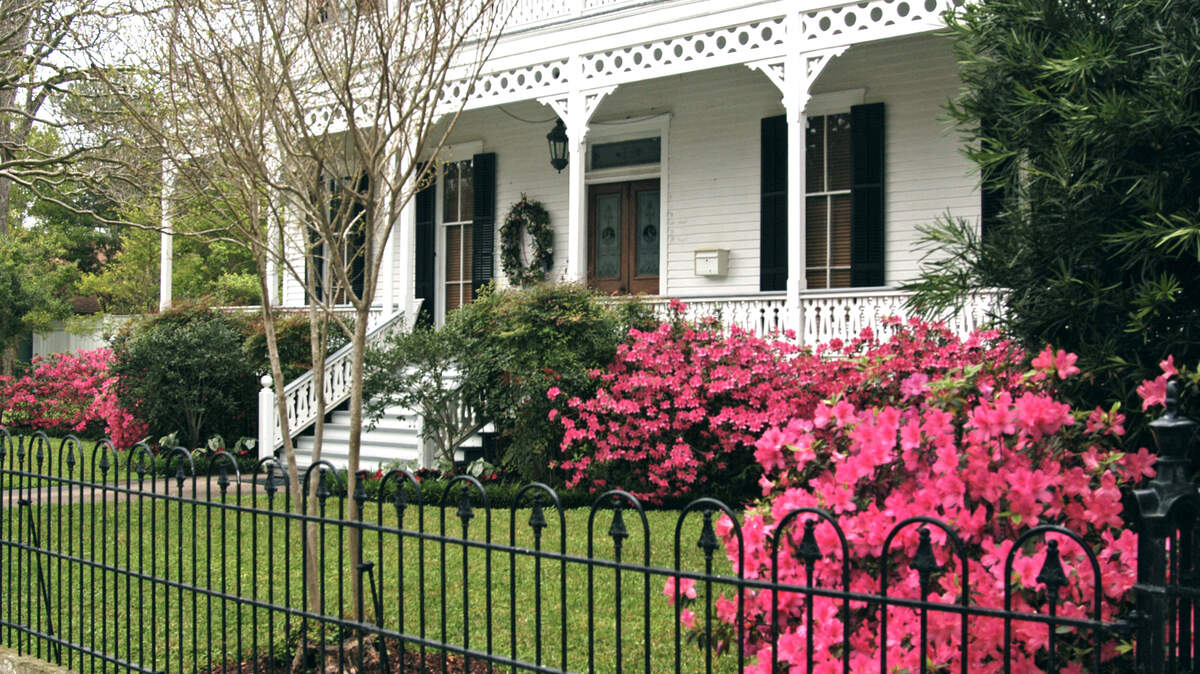
Your best odds will come when you limit the times you choose plants that prefer acidic soils. That list would include azaleas, gardenias, loropetalums, wisterias, dogwoods, sweet gums, water oaks, American hollies and their offspring and slash and loblolly pines. These plants will all develop iron deficiency problems 3-5 years after planting in the black soils. While you can amend soils for smaller types of plants such as flowers, vegetables and groundcovers, tall plants need much more extensive bed preparation than most budgets will allow.
To repeat a lecture I’ve given in this classroom before, for standard plantings, you can improve any soil by adding organic matter. My preferences: 1 inch each of finely ground pine bark mulch (nickel- and dime-sized pieces), rotted manure, compost and sphagnum peat moss. Since we’re talking about improving a clay soil, incorporate 1 inch of expanded shale as well. Other than the shale, re-up the organic matter annually at half the amounts listed above.
Rainfall and irrigation
The Metroplex averages around 35 inches of rain annually. You lose about 1 inch of that average for each 17 miles you go west in Texas, so if you live outside the actual Fort Worth/Dallas area, you’ll want to get localized numbers. Much of that rain comes in March, April, May and early June. The second rainy season is in fall (mid-September through early November).
Some years we are blessed with generous rains scattered evenly across all the months, but most years there will be painfully dry spells. All too often those dry times will come when it’s hottest. Five days without water in July can do as much damage as five weeks without water in the winter. Summer 2022 was brutal!
Wise gardeners play to the middle. Limit your plantings of xeriphytic plants from arid areas. A really wet spring can leave those heavy clay soils super-saturated to a point that desert-loving plants essentially drown. And, at the other extreme, plants from the swampy areas of Southeast Texas can’t handle our low humidities. It’s best to avoid the extremes. Your local independent Texas certified nursery professional will be able to help you.
Climate and growing season
When you buy new trees and shrubs, you’ll want to match your Hardiness Zone with those of the plants you’re considering. My feeling has always been that the USDA Hardiness Zone map of 2012 isn’t accurate when it shows us to be in Zone 8. That predicts that our average coldest temperature annually would fall between 10-20. Since that map was released in 2012 we’ve had three winters with temperatures in the single digits. One was, I believe, 2014. One was last week, and granddaddy of them all was February 2021 when we went below zero. My suggestion would be that you find a copy of the USDA Plant Hardiness Zone Map of 1990 and follow its guide. Consider North Central Texas to be in Zone 7 and choose plants with that listing on their labels. You’ll be way ahead in the long run.
At the other end of the stick, you can pretty well count on 100 days of 95. each summer. Many types of plants struggle with that just as we gardeners do. They can handle it for a few days, but over a period of time it wears them out. They can’t pull water and nutrients into their systems quickly enough, and they deplete their reserves. That’s precisely why lilacs, taxus, blue spruce and peonies give it up in our heat. You’re best off not even trying them.
As for our actual growing season, it begins with the last killing frost of the winter. In the Metroplex that averages March 20 (a week or so earlier near the downtown urban heat pockets and a week later as you get into the bordering counties to the north).
The first killing freeze in the fall typically hits around Nov. 20, but it’s not uncommon for tender plants like begonias and tomatoes to be burned by frost in late October. I’ve seen years when the first freeze didn’t happen until December.
That leaves us what seems like a very long growing season — March 20 through Nov. 20. But I learned early on that what we really have is two much shorter growing seasons of spring and fall separated by less hospitable times of winter and summer. When we adopt that mindset gardening here becomes easier.
Those then are the basics. You build your landscaping and gardening plans around them. Keep a log of what you do each year for a few years until it becomes second nature to you. It’s a glorious hobby that’s always a work in progress.