
Texas heat brings another problem: pests. How to control them and protect your yard
Recent hot weather has invited some of our common late spring garden pests to step forward to be noticed. I’m certainly hearing about them on my radio program and my Q&A work, and I thought I’d share the most common ones with you. Odds are that you’re encountering some of the same.
▪ Bagworms. These larvae are extremely damaging to junipers, arborvitae and other conifers. The adult is a small moth. She lays her eggs on the plant twigs. The larvae hatch and start feeding voraciously. Once they strip the needles the plants are likely to die, in part or in total. Again, B.t. is a very good control, but treat as soon as you see the first tiny worms. They’re starting to appear already across the Metroplex. Once they hit a plant you have about a two-week window before the damage will become severe.
▪ Insect galls. If you see warty growths on the leaves of hackberries, woody growths on the twigs of oaks or puffy growths on the blades of pecans, those are all insect galls. The female insect stings the leaf and deposits her eggs. The gall tissue forms around it and gives protection to the developing larvae. There is nothing you can do to prevent or eliminate the galls, but the good news is that they’re basically harmless. Move on with your life.
▪ Chiggers. Beware if you’re going out into tall grass and weeds. Chiggers will be waiting to greet you. They’re microscopic 8-legged pests that will start climbing up your legs and pants. A few hours later you’ll realize that you’re about to be in for a few really bad days (and nights!). You can spray for chiggers but having lived with them in the country for 45 years I’ve long ago decided it’s a lot easier to spray DEET repellent on me than it is to spray insecticide on everything around me. And the same repellent works to keep mosquitoes away, so that’s a double bonus.
▪ Crape myrtle bark scale. This is the relative newcomer that causes sticky honeydew residue on the leaves and stems of crape myrtles. Black sooty mold grows in that honeydew. The best remedy for all of it is to apply Imidacloprid systemic insecticide right now as a soil drench around the drip line of each plant.
▪ Lace bugs. As temperatures climb you’ll be more likely to see these pinhead-sized insects making their presence known. You’re more likely to see their damage than the clear-winged pests themselves. Affected leaves will develop mottled spots on their top surfaces. Examination of the bottoms of the leaves will reveal small, waxy black droppings. Your best means of dealing with them would be use of a systemic insecticide such as Imidacloprid several weeks prior to the time that you typically have seen them in past years. Their favorite host plants include pyracanthas, azaleas, sycamores, Chinquapin and bur oaks, boxwoods and Boston ivy, among many others.
▪ Leaf rollers and leaf tyers. You’ll see this disfiguring damage on cannas, trailing vinca groundcover, sweetgums, redbuds, persimmons, pyracanthas, and numerous other plants. The insects use leaves rolled up or tied together to protect their pupating larvae. Once again, the systemic insecticide Imidacloprid works well if you apply it four to six weeks in advance of the attacks. That timing will vary with the species of plant and how far the insecticide will have to travel within the plant tissues.
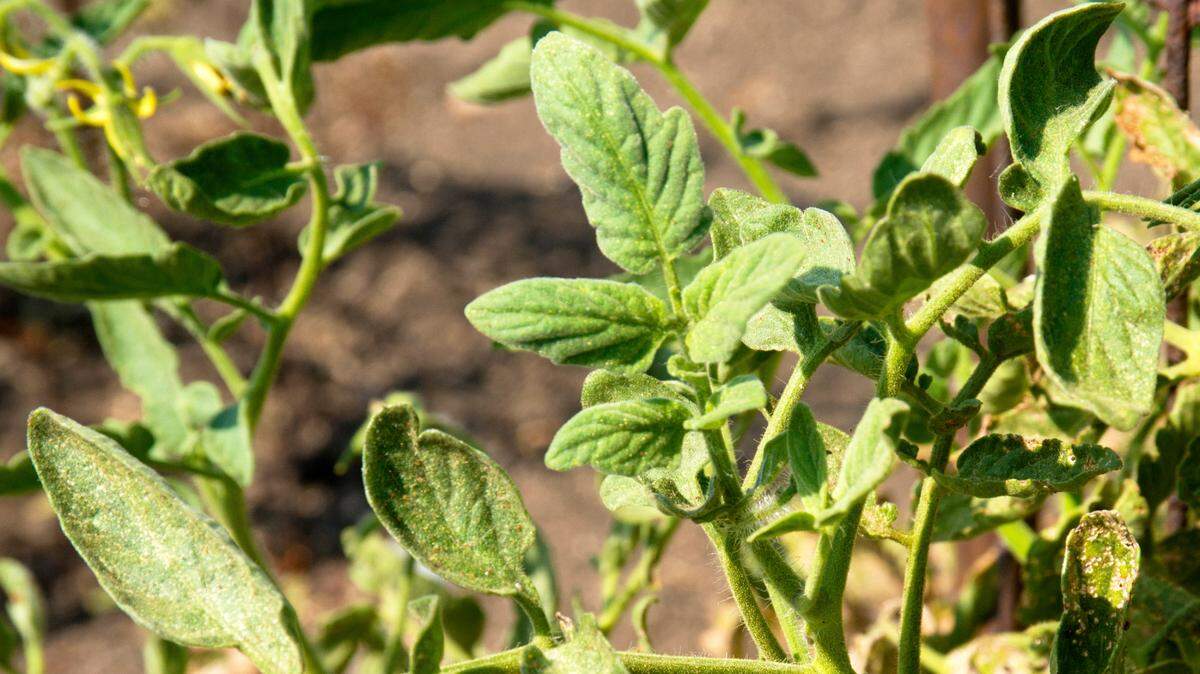
▪ Spider mites. These have already been attacking junipers, cypresses and other conifers, but with the recent heat it won’t be long until we see them on dozens of other species of landscape and garden plants. Beans, marigolds, tomatoes and violets are some of their favorites, but no pest is any more universal. They are almost microscopic. If you begin to see very fine tan mottling starting at the bottom-most leaves and working its way up the plants, thump a few of the affected leaves over a sheet of white paper. The mites, if present, will be tiny paprika-colored specks that start to move about on the paper. Apply a general-purpose insecticide labeled for control of spider mites to slow their development. Apply it to both the top and bottom leaf surfaces. Repeat the test and treatment as needed weekly.
▪ Grub worms. If you are planting new trees and shrubs or if you are preparing new garden beds you are probably encountering one or more species of grub worms. The ones you are seeing now, however, are probably not the larvae of the damaging June beetles. They’re comparatively small, and they don’t emerge until mid- or late June. We’ll talk more about treatments for their grub worms in six weeks.
▪ Take all root rot (TARR) in St. Augustine, zoysia. If your turf is greening up unevenly, especially if there are yellowed patches, it’s probably infected with take all root rot (TARR). It’s a soil-borne fungus that destroys the roots and leaves the grass lying in decline on top of the ground. You’ll see the short, dark roots. We used to recommend application of a 1-inch layer of sphagnum peat moss to treat for it, but more recently the use of the fungicide Azoxystrobin has moved to the forefront.
You can hear Neil Sperry on KLIF 570AM on Saturday afternoons 1-3 p.m. and on WBAP 820AM Sunday mornings 8-10 a.m. Join him at www.neilsperry.com and follow him on Facebook.