
Following this winter gardening to-do list can reap rewards during the growing season
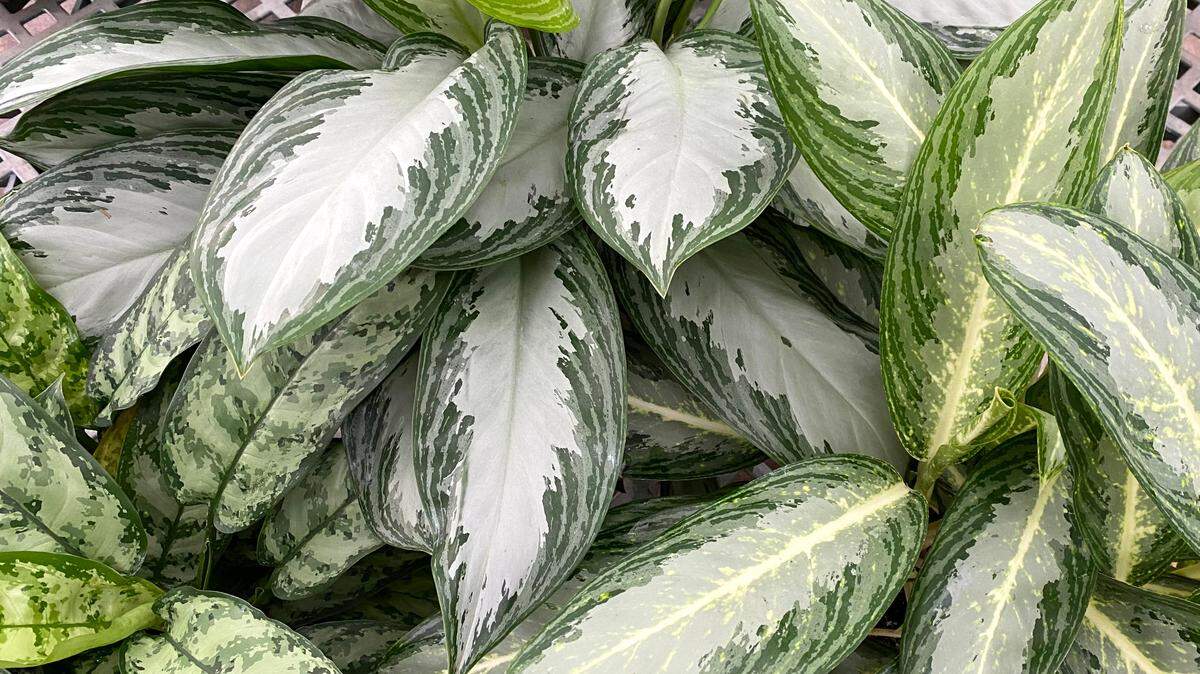
You don’t always think of mid-winter as a prime gardening time, but your success in the months ahead is determined to a large degree by the effort you put into things in the next couple of weeks. Let me outline some of the most critical tasks.
Plant …
▪ Seeds for transplants for your spring flower and vegetable garden. You’ll want full sunlight and cool conditions to keep the developing plants from getting too lanky. If you only need a few plants, buying transplants at the proper planting time may be the better option.
▪ Cool-season color from transplants, including pinks, snapdragons, pansies, violas, primulas, English daisies, stocks and sweet alyssum.
▪ Fruit and pecan trees, grape vines and bramble berries. Buy only varieties recommended by Texas A&M fruit specialists for your part of the state. I normally don’t post links in my column, but this hub of links to TAMU fact sheets is outstanding. https://aggie-horticulture.tamu.edu/fruit-nut/
▪ Transplant established trees and shrubs while they are dormant (before mid-February). Dig with ball of soil in place around the root system. Replant at same depth at which it was growing originally. Thin top growth to compensate for roots lost during transplanting.
▪ Asparagus roots into well-prepared garden soil. Asparagus is a long-term perennial vegetable, so plant it toward the back of your garden where it can remain undisturbed for many years. The plants will become very large, so space the rows 6 feet apart.
Prune …
▪ Remove winter-damaged limbs from shade trees. They will quickly become brittle and can break and could cause damage and injury should they fall during winter ice or snowstorms or spring winds. Hire a certified arborist to remove limbs higher than your head.
▪ Summer-flowering shrubs and vines to restore natural form. Never “top” crape myrtles. There is no acceptable reason. That includes reducing height of the plants — they will merely regrow, and in the meantime, you will have ruined their natural beauty.
▪ Reshape shrubs as needed to correct erratic growth from last growing season or to repair winter damage from last February.
▪ Peach and plum trees to maintain bowl-shaped scaffold branching. Remove strongly vertical shoots from apples. Prune pears and figs only to remove damaged branches.
▪ Remove 80-85% of cane growth from grape vines as you train stems along your trellises. This will result in fewer clusters of higher quality fruit.
▪ Remove mistletoe each winter to keep it from becoming established in your mature cedar elms, bois d’arcs and other shade trees. It gets its start on small twigs. By removing it when the mistletoe is young you can do so with a long-handled pole pruner. There are no effective sprays to kill the parasite without damaging the host tree.
Fertilize …
▪ Cool-season annual color (pansies, pinks, cabbage and kale, etc.) with a water-soluble high-nitrogen fertilizer.
▪ Cool-season turf (fescue, rye) with all-nitrogen lawn food during a winter warm spell. If you’re applying it to rye that has been planted to overseed bermuda, apply at half the recommended rate.
▪ Newly planted or transplanted trees and shrubs with liquid, high-phosphate root stimulator fertilizer. Repeat monthly for plants that were balled-and-burlapped or bare-rooted at planting.
▪ Houseplants no more often than once monthly with diluted high-nitrogen, water-soluble plant food. Your goal while you have them indoors is to maintain the status quo, not to encourage new growth that could become soft and succulent.
On the Lookout …
▪ Scale insects affix themselves to the stems and leaves of euonymus, hollies, fruit trees, pecans, oaks and other plants. They can be controlled by winter applications of horticultural oil spray. Follow label directions closely regarding temperatures and possible rainfall. Note that crape myrtle bark scale is better stopped with a soil drench of Imidacloprid made in mid-May.
▪ Houseplants may develop populations of scale, spider mites, mealybugs and other insect pests since they have no natural predators indoors. Use one of the systemic insecticides to eliminate them. You can wipe scales and mealybugs off with a cotton swab dipped in rubbing alcohol.
▪ Have frost cloth on hand to protect tender plants from late freezes or extreme cold spells. The lightweight materials made a significant difference of 8-10 degrees in last February’s record-breaking cold.
▪ Broadleafed (non-grassy) weeds such as dandelions and clover can be eliminated with an application of 2,4-D made during a winter warm spell. Read and follow label directions for best results.
▪ Wrap the trunks of newly planted oaks, maples and Chinese pistachios to protect them from sunscald and subsequent borer invasion for the first couple of years. Paper tree wrap products are available from independent nurseries, hardware stores and online.
You can hear Neil Sperry on KLIF 570AM on Saturday afternoons 1-3 p.m. and on WBAP 820AM Sunday mornings 8-10 a.m. Join him at www.neilsperry.com and follow him on Facebook.
This story was originally published January 14, 2022 at 6:00 AM.