
Tackle these tasks in early October with a plan to make room for the best plants
You might not think of this season of the year as being an important time in the life of your landscape and garden, but it really is. Let’s break things down by the various areas as we outline the most critical things you’ll want to look after.
Lawns
- Apply a “winterizer” fertilizer immediately. It actually should be of the same analysis that’s been recommended all through the growing season: all-nitrogen, with upwards of half of that nitrogen in slow-release form. That will give the grass one final boost before winter, and it will also prepare it for the first growth of spring.
- Keep mowing your turf at the recommended height. Some people have the mistaken idea that allowing grass to grow higher will improve its winter hardiness. That’s not at all the case. Tall grass becomes weak grass, and weeds will quickly move in.
- While you’re mowing, keep tree leaves picked up off your turf. Left in place, they will pack down and prevent water and fertilizer from reaching the soil uniformly and keep sunlight from reaching the bladews. Diseases can get started in conditions like that, most notably brown patch.
- Also called “large patch,” brown patch is the fungus that begins as circular patches of yellowed blades in St. Augustine and zoysia lawns. It develops in spots that are 18 to 24 inches in diameter. Within days it changes to brown, dried grass. The blades pull loose easily from the runners. Roots and runners are unaffected, so new growth will show up within a few weeks, but in the meantime the grass will have been weakened. The fungicide Azoxystrobin is the best means of stopping it, but you’ll also want to discontinue nighttime watering that will lead to its spread.
- If you intend to overseed your lawn with ryegrass for green grass over the winter, you need to do so soon. I’ve been told that ryegrass seed may be in somewhat limited supply, so wise gardeners will buy early.
Shrubs
- There are tons of shrubs that were killed by last winter’s cold still sitting in place in North Texas landscapes. Folks, they’re not going to come back, so you need to figure out what you want to do to replace them. Remember that fall is the best time for planting. Shrubs set out now will have many months to establish new roots before next summer’s heat rolls back into town.
- Nurseries have been receiving new shipments, and the best types (that were sold out last spring) have been restocked, at least for now.
- Have a plan for your plantings. Work with a landscape designer to figure out the best plants for each part of your yard. Let this be the time that you remodel and try new bed layouts. You’ll surprise yourself at how nice things will look.
Trees
- First and foremost, take a serious inventory of how each tree is looking. Watch for any evidence of dieback due to cold injury from last February. Trees that have less than a full canopy of foliage or that have lost chunks of bark over this summer may be vulnerable to breakage in winter storms. If you have any doubts or concerns, have a certified arborist look at your trees as soon as possible. If limbs or entire trees need to be taken down, let the pros do it safely.
- If your trees have roots that have become a threat to your drive or foundation, this is the time to remove them. There isn’t as much demand for water right now, plus it allows the tree six or seven months to grow new roots to pick up the load. Hopefully you’ll be able to figure a way to install a root barrier so that no more roots can develop beneath the concrete.
- If you have a tree or large shrub such as a crape myrtle or yaupon holly you intend to move this winter, take time now to “root-prune” it. That’s the process of cutting the lateral roots where you will eventually be making the final transplanting cuts in January. That will allow the plant several months to produce new roots within the soil ball. That, in turn, will result in a more successful transplant.
Annuals and Perennials
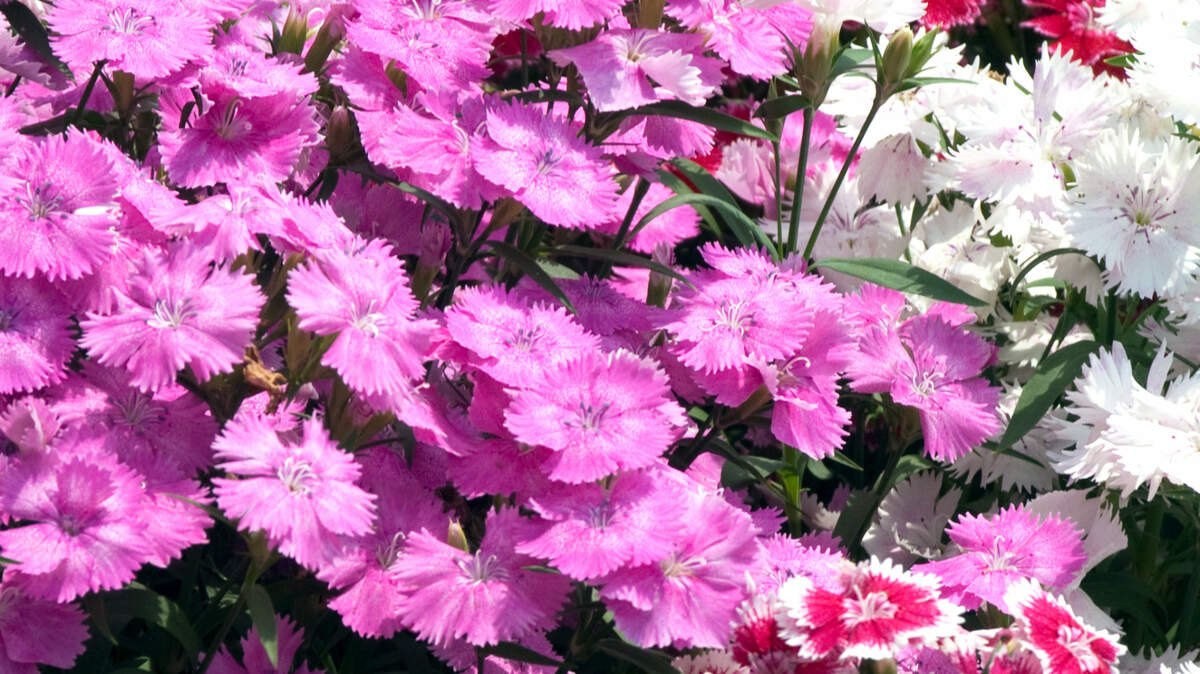
- Now that it’s turning cooler you can begin to think about planting cool-season annuals to replace tired summer color plantings. Pansies, violas, pinks, snapdragons and ornamental cabbage and kale are coming into nurseries. Include some of these plants in large containers for spots of color near your front door or out on the patio.
- Plant daffodils, narcissus and jonquils now for early spring color. Early blooming and smaller-flowering types are more likely to establish and rebloom year after year than the large, late-flowering hybrids like King Alfred and Mount Hood. The varieties Carlton and Ice Follies are long-proven successes in southern landscapes. If you want a massed planting that will establish and get better over the years, these are two you can count on. They’re usually the top two varieties worldwide.
- Tulips and Dutch hyacinths are best treated as annuals here. They rarely rebloom the second and successive years, so buy large bulbs and plant them close together in a prime spot where you can enjoy their maximum burst of color come spring. However, they’ll need to have “pre-chilling.” That means they must have a minimum of 45 days in the refrigerator at 45 degrees before you plant them no earlier than mid-December. Our winters are simply too warm for them to bloom without help.
You can hear Neil Sperry on KLIF 570AM on Saturday afternoons 1-3 pm and on WBAP 820AM Sunday mornings 8-10 am. Join him at www.neilsperry.com and follow him on Facebook.