
Make plans for fall landscaping improvements by sampling local nurseries in your area
It’s been an unusual year in the nursery industry.
That, my friend, is the term “understatement” defined. February’s cold brought an onslaught of customers almost as soon as the ground thawed, and only recently have parking lots had spaces available. It’s been hard to find the plants that we wanted, and nursery professionals have been stretched tight for time.
Things are calming down now, and this might be your great opportunity to make plans for fall landscaping improvements.
I have suggestions on how you can get the results you’ve been dreaming of. These are based on 51 years of experience, both as an observer and as a consumer of North Texas nursery products and services.
Here are my guidelines:
- Keep it local. Neighborhood independent retail garden centers and nurseries know plants, soils, climate and gardening conditions better than anyone one else around. Most are avid gardeners themselves. And they’re local community leaders that you’re likely to run into at church and school events. Their kids and grandkids know your kids and grandkids. They’ll greet you by name, and they’ll remember your purchases so they can help you should you have questions on down the road.
- Hopefully these local retail business people will also be members of the Texas Nursery and Landscape Association. If you’re really lucky, you’ll even see name badges and emblems saying “Texas Certified Nursery Professional” or “Texas Master Certified Nursery Professional.” Those mean that the person wearing that name tag has studied long hours and passed a tough exam covering all aspects of horticulture. You will be dealing with a real expert.
- Landscape contractors are the “invisible” part of the nursery industry. These men and women take the raw materials (plants and hard goods) and turn them into fine garden designs. They also come back to maintain those finished landscapes month after month. TNLA offers similar training, testing and certification for them: Texas Certified Landscape Professional and Texas Master Certified Landscape Professional.
- A great landscape begins with a plan. Take photographs of gardens you like to show as examples. They can be home gardens or parts of commercial landscapes. Make high-quality photographic prints to show to your designer, not just images on the small screen of your cell phone. Take measurements of your current property, or frequently, the designer will want to do it personally to be sure it’s all done to scale.
- Make a list of things you want your landscape to achieve. Perhaps it’s a different list than you might have had a few years ago. The kids are older now. They may be in college. Sandboxes get changed to raised herb gardens. Vegetable garden space may change over to room for a hobby greenhouse. Our lives change, and so can our landscapes. Make out your wish list.
- Make an appointment to sit down with your designer. Most nurseries either have one on staff, or they can refer you to somebody good. Take all your photos and lists in with you and have a thorough discussion. If you’re meeting at a nursery, go in during the week when they’re not quite as busy. By Wednesday or Thursday they should be well stocked for the weekend, yet not covered with customers.
- Choose the plant types carefully. Do your homework ahead of time. You want assurance that each plant that you use should survive winters in our part of Texas. Granted, last February was a severe abnormality, but there’s no point in tempting fate. If a designer is helping you choose, be sure to ask how each plant type on the list survived the record cold of 2021. And get their assurance that the plants are suited to your soil, lighting and other environmental conditions.
- Keep a record book of your plant purchases. It can go into one 3-ring notebook. It could be a real time-saver if you run into problems years down the road and can’t remember the name of one of your plants.
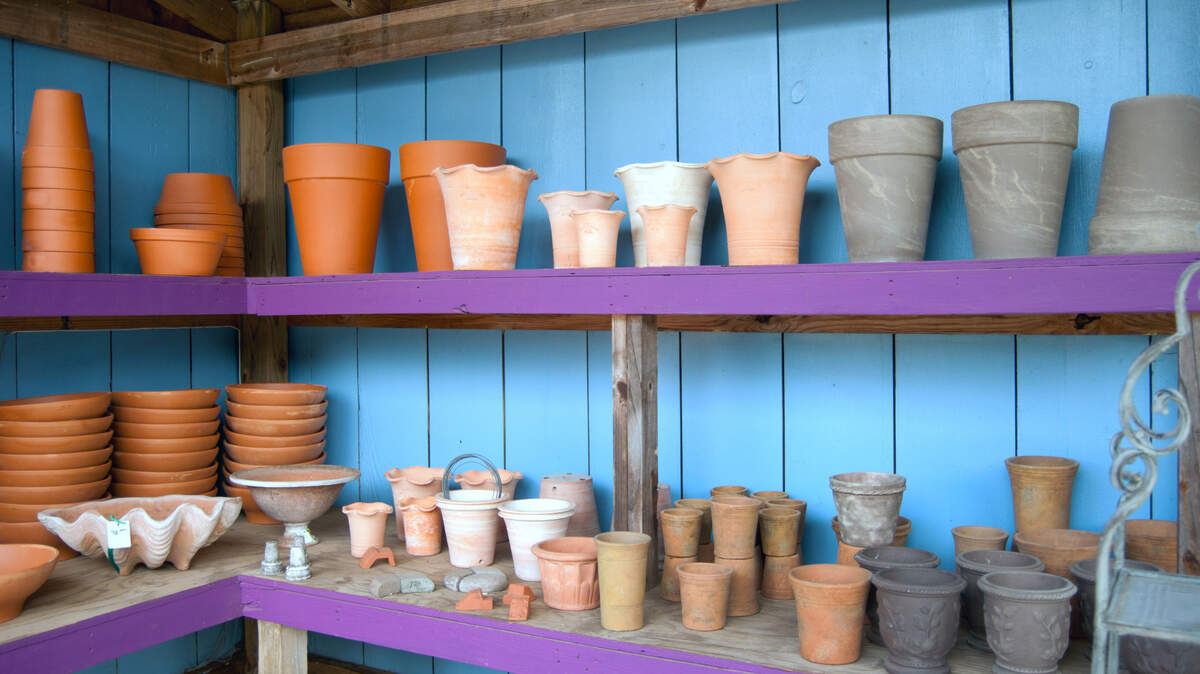
- Texas has hundreds of independent retail garden centers, and each is owned and operated by a person with a unique set of talents and ideas of what a retail nursery should look like. Some like to showcase perennials and annuals. Others feature native plants and wildflowers, while still others have eclectic garden art and accessories.
It’s this diversity that makes garden shopping in Texas such a fun experience. Put all of that to work and spend the next couple of months planning those fall projects. You’ll find out what others have known for decades: gardening is for everyone – every interest and every age.
You can hear Neil Sperry on KLIF 570AM on Saturday afternoons 1-3 pm and on WBAP 820AM Sunday mornings 8-10 am. Join him at www.neilsperry.com and follow him on Facebook.