
The vivacious and venerable vitex is a plant you should know (and grow)
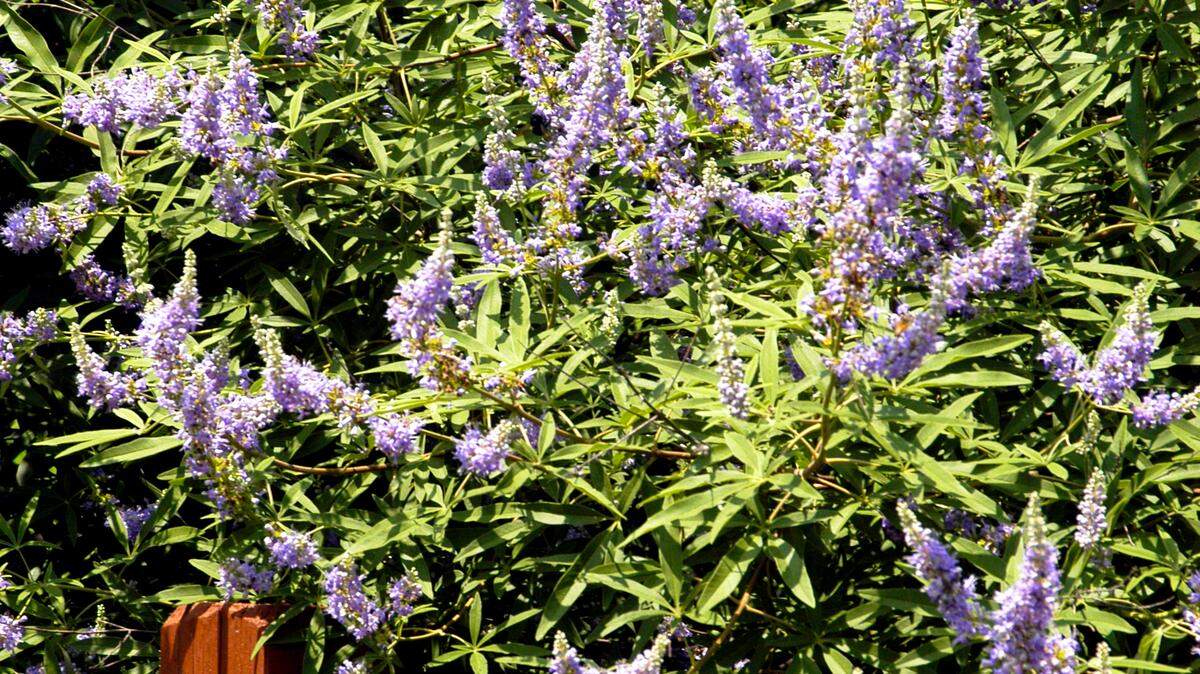
When I was a kid growing up in College Station, there were grandmas around town that told me how their grandmas grew vitex on their old farmsteads in Texas. Now friend, that’s going back a long time. And now I’m a grandpa retelling the story, and there are people out there who are just learning this plant as if it’s something brand new and special.
Vitex is as old as Texas road dust and barbed wire. Yet it’s been given a grand reappearance in urban landscaping, and we love it all the more. This plant is a winner. So much so that Texas A&M declared it to be a Texas SuperStar® plant back in 2005. That’s a designation that follows several years of comparative testing at various sites around the state. Only the most dependable plants make the final cut, and they wear that badge proudly.
The original species, Vitex agnus-castus, is from the Mediterranean area, but it’s been in widespread use in southern landscapes, as mentioned, for many decades.
I grew up knowing the plant as “lilac chaste tree.” So I asked my dad what all of that meant. I don’t recall how exactly he explained it all to 10-year-old Neil, but it began with, “Well, lilac is a lavender-flowering shrub from up North.” Then as he moved on to explain “chaste,” his comments kinda trailed off to a mumble.
And as for this nonsense of calling this plant “Texas lilac,” where did that come from? It’s from the Mediterranean. It’s not related to lilacs. It doesn’t even smell like lilacs. That’s just goofy. I vote for “vitex.”
Vitex grows to be 12 to 15 feet tall and wide, sometimes slightly larger in warmer South Texas. It commonly grows with several trunks, and they’re rarely straight, so it’s really best to consider it a large shrub rather than a small tree. Granted, you can remove lower side branches and create a visually interesting, multi-stemmed decorative tree, but when vitex gets up in the morning and looks in the mirror, it sees a shrub.
There are places where you’d like to have the look of a vitex, but where you don’t have the 12 to 15 feet it’s going to demand. Well, gardener, the plant breeders have good news for you. You’ll find compact selections like the wonderfully named ‘Blue Diddley.’ All the great vitex look in a fraction of the space.
Enchanting lavender blue flower spikes are the hallmarks of vitex in late spring and early summer. They’re been in bloom the past week or so, and I’ve been asked dozens of times to identify them. My favorite request was, “Neil, what’s that bush with the salvia-like flowers on it?” That’s when I realized vitex does indeed look Salvia Victoria.
Just to have noted it, yes, there is a creamy-white form of vitex, even a soft pink selection as well. For those of you who just have to have something oddball, those are for you. For the rest of us who realize how difficult it is to find blue flowers that are happy with the Texas summertime heat, we’ll stick with the original (and far prettier) one.
Give vitex full sun and well-draining soil. It makes a fabulous anchoring shrub/small tree in the middle of a larger perennial garden, or you can use it as a decorative accent at the back of a garden or in a wide bed at the corner of the house. It’s deciduous, so remember that there will be four months or so that it will be bare in the winter.
Good drainage is critical. Plant vitex in a raised bed or at the tops of a slope. It accepts a wide variety of soil types, so you won’t have to go to heroic measures to get it started and keep it going. It will benefit from the same type of high-nitrogen fertilizer you’re applying to your lawn, garden and landscape plants anyway.
Prune vitex to remove damaged or rubbing branches, also as needed to guide the plants’ shape. I’ve always found that I need to thin my plants out – that its branches often rub together too tightly creating a congested appearance within the plant, especially while they’re bare in the winter. If you read stories by South Texas writers, you’ll even see recommendations of severe pruning by 30 to 40 percent following the spring bloom cycle to stimulate regrowth and a second round of blooms in the fall garden. But they have a much longer growing season down there that will allow that extra time for the second setting of buds. We in North Texas usually do not, so that’s not a recommendation I make for our area.
Vitex plants are well suited to our heat and droughts, although they do benefit from regular waterings. That’s especially important if you’re buying a new plant now, going into the summer. Water it by hand a couple of times weekly. Sprinkler irrigation alone will not be enough. After a year or so you’ll be able to put it into the regular irrigation program.
The only insects I’ve ever seen on my vitex have been wonderful bees and butterflies. They love them, so that’s a huge bonus for including vitex in our gardens. And I’ve yet to encounter a disease of any kind that bothers mine.
Finally, when I write about vitex I do occasionally hear from people concerned about plants with potentially invasive tendencies. This plant has been reported to colonize in certain rather rare but favorable environments of limestone outcroppings and dry creek beds. However, in a career of being around it, I have not found vitex to be of any concern when used in landscaping.
This story was originally published June 7, 2018 at 9:46 AM with the headline "The vivacious and venerable vitex is a plant you should know (and grow)."