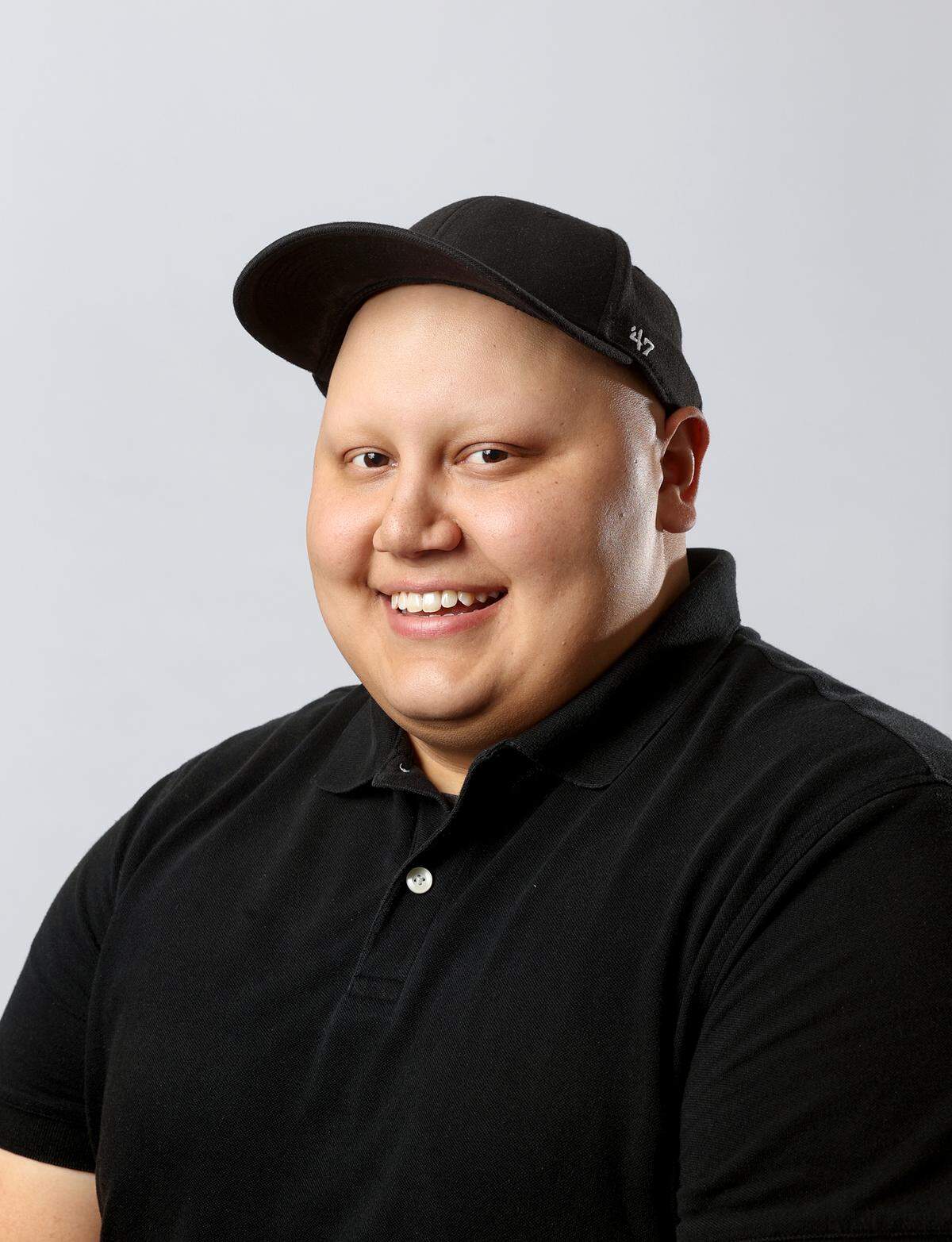
‘Dutton Ranch’ star Marc Menchaca on his Texas roots and playing a cowboy
Marc Menchaca grew up wanting to be a rodeo cowboy.
The San Angelo native might not be in the arena nowadays, but he’s gotten a lot closer. After graduating with an English degree from Texas A&M in 1998, and dabbling in some acting there, he decided to pursue being an actor.
Menchaca, 50, has nearly 100 film and television credits to his name, including roles in “Homeland,” “Ozark,” “The Creator” and “The Outsider.” His latest role, on “Yellowstone” spinoff “Dutton Ranch,” sees Menchaca don a cowboy hat and ride a horse just like the folks he grew up admiring.
“I’ve said it to my parents and my wife and all my friends, I’m like, ‘This is like my childhood dream,’” Menchaca said.
Viewers first see Menchaca’s “Dutton Ranch” character Zachariah on the day he’s released from prison as he agrees to work for Beth Dutton and Rip Wheeler on their South Texas ranch.
Menchaca spoke to the Star-Telegram over Zoom this week about his Texas ties, why he decided to become an actor and how his “Dutton Ranch” role is a dream come true.
This interview has been edited for clarity and length. Spoilers for “Dutton Ranch” episodes 1-4 below.
Star-Telegram: Do you remember the first thing that sparked your acting bug?
Marc Menchaca: “Dead Poets Society.” I played football and soccer up in high school. I always kind of wanted to do something in the theatre department, but was a little hesitant because a lot of people were a little weird from the perspective of football playing high school people. I mean, I was friends with a lot of them. I shouldn’t say they were weird. I should say I thought I would look weird if I did any kind of theatre, so I didn’t. Then it was like I came out of the closet in college and was like, “I want to be an actor.” But yeah, “Dead Poets Society” was kind of the movie that I was like, whatever those people did, I want to do what those people did to make me feel what I felt when I watched it.
S-T: What was it about “Dead Poets Society?” I feel like that movie is a good starting point for an actor since there are several speeches and monologues throughout.
MM: Yeah, I mean, that movie was so good. Whether it was the monologues or what, I feel like that movie made you want to explore outside of the bounds that you are in. I think it made me think, maybe I don’t have to move back to San Angelo when I finish college, and I can go and do something. The emotions that are going on in “Dead Poets Society” and they were kind of breaking out of their shells, these characters, the kids were, and it just made me want to do that. I thought, well, if I can act like a fool and do that, and make people laugh, or make them feel something, then I’m gonna give it a shot.
S-T: You mentioned college. I know you graduated from Texas A&M. How did you further your pursuit of the arts there?
MM: Originally, I tried to transfer after my freshman year. I was going to try and transfer to University of Texas [at Austin], just because they have a good theatre program. Then I figured I was going to take me longer to graduate college, so I was like no. I was not a theatre major, I was an English major. I did some community theatre, and then I did a play at school, then I went to New York for a summer and did that. I would say as far as furthering my pursuit of the arts, I really just tried to take classes that were not associated with business or anything like that. I had this one teacher, Larry Reynolds, who kind of was the Robin Williams from “Dead Poets Society” [for me].
I’m still in touch with him to this day. I wrote him a letter, I don’t know, it was probably maybe almost 10 years ago. I wrote him a letter, you know, snail mail letter. Sent it to him and told him what a huge impact he had on me. I was like, “You probably don’t remember me, you have a million students, but a big reason why I ended up doing what I’m doing today is because of your class.” I do remember when I went to New York that summer, I went to like a summer intensive. They had actors come in and they would do a class on different things. I remember this one actress, I can’t remember her name, but she was like, “Don’t be a theatre major, learn about history and read books. Be an English major or a history major or something.” That’s what I tried to do at A&M, I learned about things outside of West Texas, which I’d never really done before.
S-T: By the way, how are you feeling about A&M’s football team? Made the college playoff last season, things are looking up. Tough loss to Miami though.
MM: Looking up, yeah. I’m always like, just when you start to feel super confident, the Aggies ... I don’t know. Hopefully they’ll get it together. I’m always a hopeful fan, but then you see a game like Miami, and you’re like, “Gotta fix something.”
S-T: At this point in your career, when something lands on your desk, what are you looking for in a new project? Is it someone new to work with or the material itself?
MM: I mean, for sure people to work with, whether it’s a director or an actor or producer. There’s always discussions about who is involved. But I do love when you get good material that, even if it’s going to pay you absolutely nothing, I think that if you ask a lot of actors, like you want to do those jobs. You do jobs that you make money on, so that you can do those jobs when they come up, and you just hope that when they do come up, that scheduling works out and whatnot.
I love doing indie film that is original and that isn’t going to pay me anything, I love doing that. You go out and you shoot for 17 or 20 days, and it’s just like the grind. You’re getting up, going to work, going to sleep. I don’t know, it’s thrilling to do those kinds of jobs. I’m always hoping a great little indie comes across my desk and I can go off and have fun, fall on my face, try things that you normally wouldn’t get to try when you’re doing TV or a big film. You get to work with new directors. I love working with new directors. It’s just like an experiment.
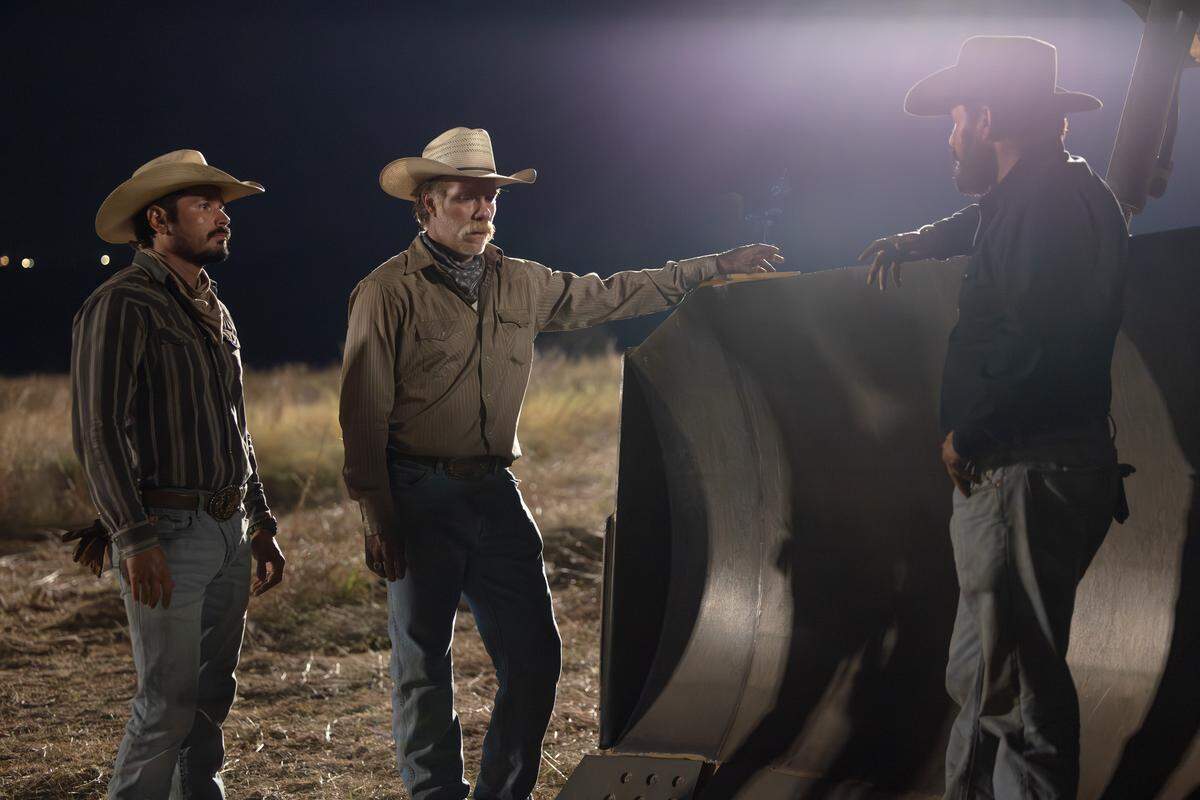
S-T: As soon as you pop up in “Dutton Ranch,” I think either the way you wear the cowboy hat or your general vibe, it feels very Texan and of that region. Did you see any familiarity in this show since you’re from the state?
MM: Yeah, I would say the atmosphere and the feel of it. I’ve said it to my parents and my wife and all my friends, I’m like, “This is like my childhood dream.” Because I wanted to be a rodeo cowboy when I was younger, and now I’m getting to work with the cowboys that run it and do all the work with the horses and the cattle and whatever other animals. They’re like just salt of the earth incredible guys and girls. Maybe I should say men and women, I don’t know. In fact, I just called one earlier. I was like, “Hey, if I want to raise this bull calf, what do I need to do?” I keep in touch with those guys, they’re some of the best people that I got to meet on that show. It’s like I’m getting to work with the people that I wanted to be growing up.
S-T: I think Zachariah is a good person for this show. Beth and Rip are fiery characters, but Zachariah is still and reflective, not only of his past but in the moment. How much of that is pulling from the script and how much of that is you coming in with ideas?
MM: I think it’s a blend of both. It would not be fun for me to do something that was just on the page. But when you get good writing, and then you get to add, I don’t want to say personal touch, but your take on it. What I first saw about Zachariah when I auditioned, it was one version of him. Then after I got the job and got some more information, like critical information about why he is who he is today, and where he’s just come from, all I knew was that he had just gotten out of prison. Then, when I found out why he went to prison, I felt like that informed me a lot about the introspective aspect of him. That he still wears that pretty close to his chest. I think it’s a good blend of taking the writing, and then just kind of working through it yourself, and being like I think this is who he is. Then, once you said it, they can’t change it.
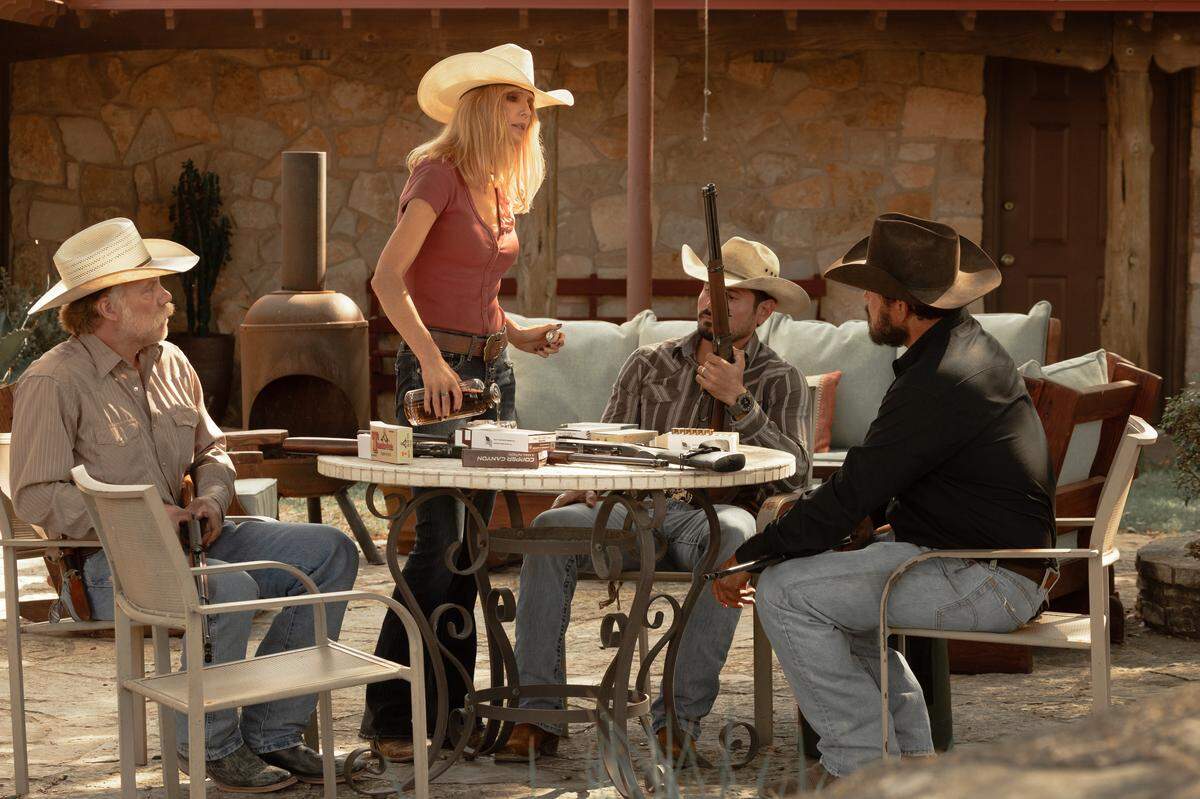
S-T: One of my favorite Zachariah moments comes in episode 4, when he and Azul go to the hardware store to buy paint. They’re both in a dark situation since they’re about to have to kill all the infected cattle. Zachariah looks over at Azul and grabs a football and tells him to go long. For a split second, these guys are laughing and having a good time despite what’s to come. I was hoping you could talk about that scene and what it meant to you?
MM: J.R. [Villarreal] and I, and Greg [Yaitanes], who directed that episode, we talked about it quite a bit. Because it was in the midst of this very dark situation that they were going through. We just talked about how there needs to be a moment of, even when someone dies, a lot of times you deal with grief through humor or some way. Not that that was an attempt at humor, throwing the football, but it was like we just got to lighten it up for a second. Zachariah was aware of what a football star that Azul was. I think it was just an attempt to be like, let’s take our minds off this for a second and play around. It was a sweet little moment. I don’t know what else to say, other than that I think that it was just our attempt to bring some kind of sweetness into this moment that’s a very dark period.
S-T: I know that you also make music. Do you think about music when you play a character? Or, does music and acting intersect for you at all?
MM: Definitely. I mean, I usually will find a theme song that I feel like a character lives by and won’t tell you what that song is. I can tell you, for “The Outsider” it was “Whitehouse Road” by Tyler Childers, but that’s just an example. I do like to find something that kind of is a theme for them. Then obviously the metaphorical, like just hitting different notes, and like maybe hit a bridge with something. Like figuring out how can you do this. Because a show needs to carry you on a journey, just like a song does. Brilliant songwriters do that through their words and also through the music they create. I would say it’s definitely a part.
“Dutton Ranch” airs Fridays on Paramount+ and the Paramount Network.