
Bias and Car Sales in America
New car dealers entered 2021 in a less than optimal position because of the public’s biases in purchasing new or used cars. It’s been coming for some time, but the pandemic seems to have convinced the media at least a moderate evolution in the auto industry is here.
A year ago, one of the mega used-car lots came to the mid-cities and had a phenomenal first month of sales. A GM dealer nearby asked his used car manager to do a comparison between the preowned vehicles at their store and identical vehicles on that mega-store for mileage, condition and pricing. In many cases the car dealer’s vehicles had slightly lower miles, because they’re typically a trade-in instead of a car auctioned off over and over again. But the most telling bit was the fact that on almost 100 percent of the vehicles compared, the new car dealer’s products had a lower price, both on the lot and online.
Another used car competitor’s ads claim they invented the car vending machine and buying a car completely online. The first part is simply not true; vertical automated parking garages with identical design have been used in Europe since the 1970s, and they were based on more primitive parking designs from the 1920s. As for inventing the ability to buy a car online, that’s not true either.
Martin Rood, a Volvo dealer in Washington state, had the first functional website where one could handle complete transactions online almost three decades ago; and Microsoft purchased his DealerNet business in March of 1994. So, the two big selling points in those ads are both falsehoods. And yet the public is thinking, “What a great way to improve used car sales.” However, one critical public bias from their ads suggests that somehow their used vehicles are better.
One listener of my show is a longtime government employee who was stationed in Austin a few years back on temporary duty. There he rented a Hyundai Elantra from Enterprise and was rear-ended. As a person trained to keep all documents, he had the photos of the wreck, records of its sale at an insurance auction, and from there down to its new owner — according to his records, bought through the previously mentioned used car operation. To be fair, the wreck was not all that bad and I’m sure the overall vehicle is fine. But that is not the image being sold in their ad campaigns.
The best story yet came my way in an email from a listener, who says he saw why new car dealers are destined to fade away because he has seen the future in one trip to buy a new Tesla in Grapevine. Let me note for the record that this was not a negative email, was not written in any sort of angry tone. It was heartfelt, thoughtful and extensive. One could tell the person writing it was an intelligent and decent person. But here are the lines that I responded to as he explained to me why this is the future of buying cars.
“We went online to the Tesla website, reviewed the specs and pictures of their electric cars, and made an appointment for a test-drive.”
“It seemed seamless. We were told what to expect with all the warnings and disclosures, and we picked a 45-minute open slot.”
“The salesperson said that a service tech will come out to my house if I need service.”
“He told us what to expect on our demo, suggested a route, and gave us the keys.”
“No dreaded dealing with a high-pressure salesperson; we liked the ability to order online, that there was no price haggling and no wasting your day getting service.”
Again, his extensive email told a story far different from the conclusions he personally drew. First, new car dealers, and manufacturers run websites where one can review the specs, just like Tesla’s; you can see the vehicles inside and out and book appointments. Oh and my last two electric cars were ordered online and I chose the local dealers for delivery. On that count there is zero difference between Tesla and any other car line. Zip.
Next point is that it was seamless, and they booked a 45-minute slot for an appointment at the local Tesla center. But it wasn’t seamless at all; and his appointment was meaningless. You see, they went in for their appointment, but their salesperson had gone to lunch, so someone else waited on them. As I pointed out, how is that any different from simply walking into a new car dealership and letting someone wait on you? It’s exactly the same.
Then he asked about service and was told Tesla does that at your home. I’m sure that in many cases that’s true, but I’m guessing it’s not true for big repair jobs. And the service center in Dallas always seems to have cars there for repair.
And then, instead of demonstrating a vehicle properly — which would seem to be both prudent and necessary, because most people have never driven an electric car and have no experience with Level 2 autonomy or how to work a computer screen that runs everything on a car — the salesperson gave them a route, tossed them the keys to the car, and assumed they were capable of figuring everything out in a high-tech car at the same time they were trying to drive it. As I pointed out, if I had salespeople who threw customers the keys without going over the vehicle with them, or who made appointments and then stood customers up, I would either correct that behavior or let those people go.
Then came the part about the dreaded haggling and how it didn’t exist with Tesla.
There’s the biggest disconnect with reality. Teslas sell at MSRP. Same as Saturn once did, and where’s Saturn today? If one recalls, their ad campaign said they were “a different kind of car company,” but they weren’t. So in those days, when customers came into our stores and asked, why doesn’t everyone do business like Saturn? I’d have my people say we are exactly like Saturn. Then when it came time to purchase our vehicle, we would write it up at list price plus TT&L — you know, to get rid of that “dreaded haggling.” And how many customers do you think said, oh list price? Great, I’ll take it?
Exactly, none. Turns out people want a discount, so they feel like they are being treated fairly and you care about earning their business.
So, let’s sum up this visit to the future. Our man made an appointment at a Tesla store, but his salesperson blew them off for lunch. The new salesperson was not fully disclosing major repairs on Teslas and the service center, nor was any discussion brought up on body shop work, either — or any hint about how few body shops are certified to work on a Tesla. Oh, and they didn’t care enough to actually go out and demonstrate the car’s capabilities and features. And at the end? If you want one, pay the list price.
Oh, and in case you were wondering, they didn’t buy that $90,000 Tesla. Yet this listener, having been stood up by the Tesla rep and possibly misled on major service issues, having had to self-demonstrate that car and getting no discount, didn’t buy one — but wrote me saying he honestly believes dealerships may go away because of this great new way to buy a car.
None of this is to say that you can’t get a great used car from the national mega used car lots. And in fact I know a reasonable number of people who own a Tesla and love it, even with its quality issues. And I understand that passion, too. In many ways I liken this to buying my first Macintosh computer. I’d already owned a couple of other machines, bought a Mac and paid a fortune for it. At the time a color laser printer was tens of thousands of dollars, the Mac with minimal software and 6 mgs of ram was nearly ten grand. And just outside of the 90-day warranty period, the 20-mg hard drive crashed, I lost all of my data, and the Apple replacement hard drive was three grand. But I stuck with it and over the decades purchased many Macs, and learned well the frustration of things regularly not working right. But you put up with that because you got more out of the experience of owning an Apple product than the grief they could deliver. However, many Mac owners also migrated back to Windows machines.
So, I get why many believe things that aren’t exactly true. But I’ve also counseled dealers that the bias in favor of these secondary outlets would be a real problem for them if they didn’t do a better job of selling their services to the public. You see, the real problem is the best dealers won’t out the worst ones, so they all get painted with the reputation of the worst. Just as doctors’ associations don’t expose the few that shouldn’t practice medicine, either.
Then again, if you overpromise and underdeliver, in time it all falls apart anyhow. Doubt that? Think of Saturn.
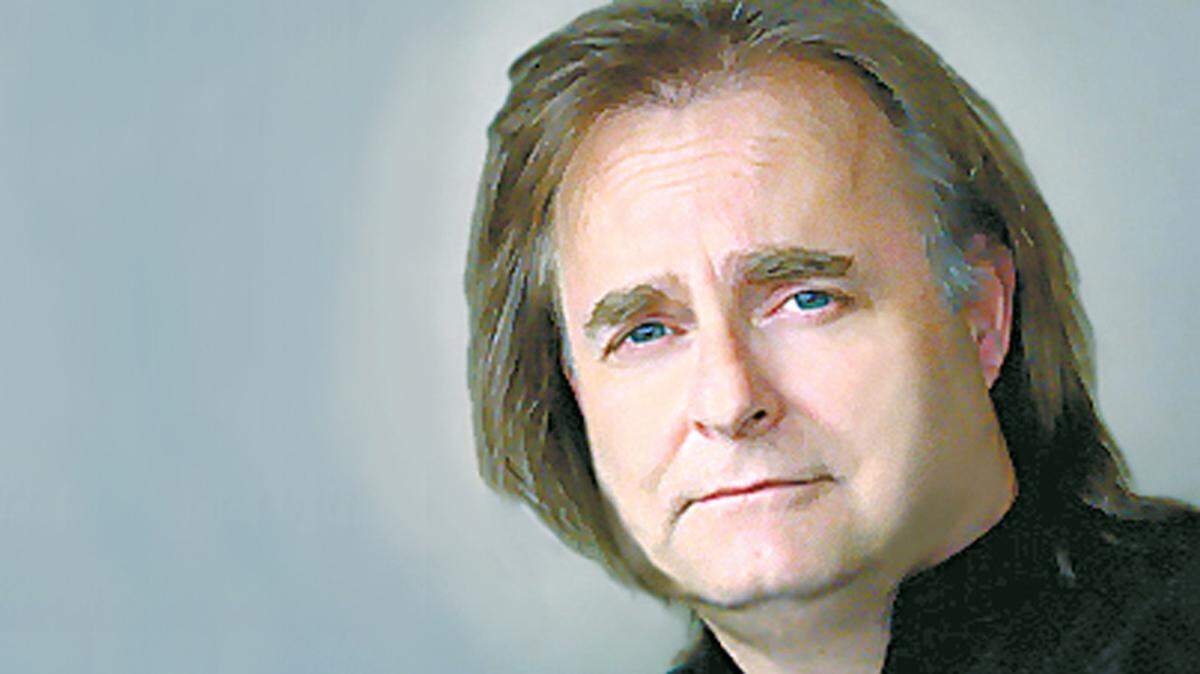
Ed Wallace is a recipient of the Gerald R. Loeb Award for business journalism, bestowed by the Anderson School of Business at UCLA, and hosts the top-rated talk show, Wheels, 8:00 to 1:00 Saturdays on 570 KLIF AM. Email: edwallace570@gmail.com