Book details cover up of Biden decline but misses huge part of the story | Opinion
AI-generated summary reviewed by our newsroom.
- The book 'Original Sin' shows that key insiders concealed Joe Biden's decline.
- Reporters failed to pursue signs of Biden’s health issues despite clear triggers.
- Media bias, access protection and groupthink fueled journalistic dereliction.
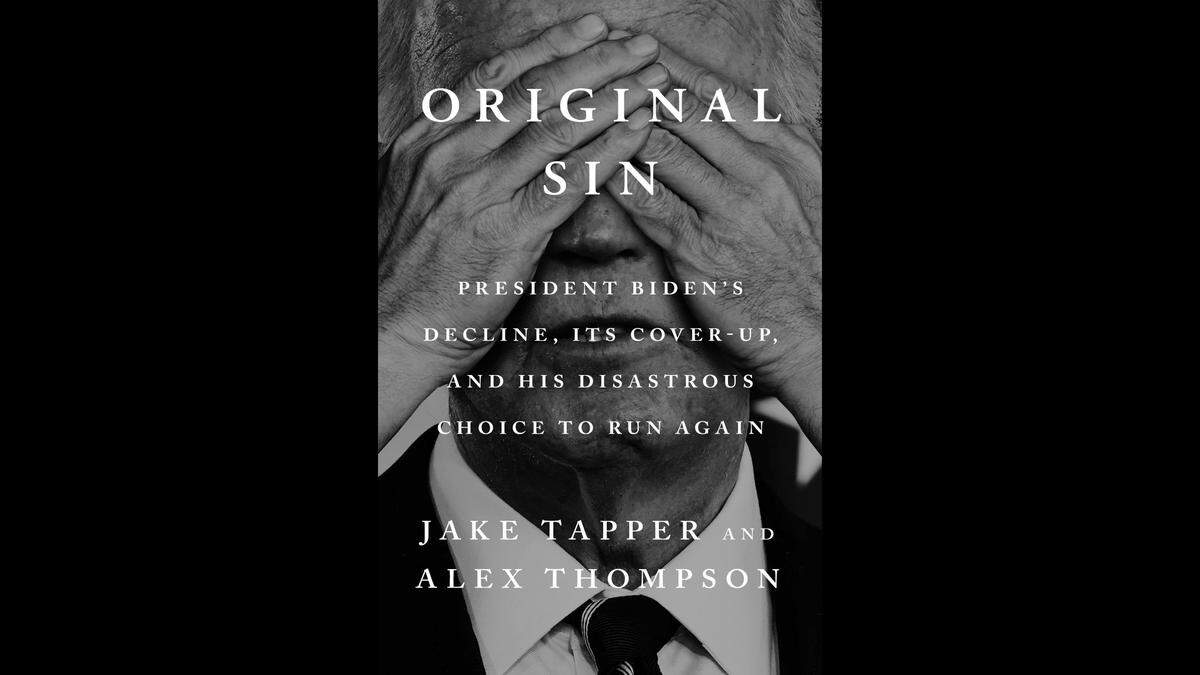
The definitive book on the decline of President Joe Biden, so far, is “Original Sin.” Its meticulous reporting ends all doubt that in his final years in office, Biden was in mental and physical decline — and that dozens or hundreds of people knew or strongly suspected.
Not among them, at least not in the tales that authors Jake Tapper of CNN and Alex Thompson of the news site Axios tell, are the dozens of reporters who cover the White House, hundreds more writing about politics in Washington and elsewhere, and the editors and executives who supervise them.
The journalism profession — my profession — largely gets a pass as Tapper and Thompson paint a vast conspiracy of silence by those around Biden, spearheaded by the senior aides who denied even to other loyal staffers around the president.
It’s crucial that the nation learn the truth of how such a deception could occur so we know what to look for next time. Consider just two blockbuster revelations since the book debuted. First, we learned Biden is suffering advanced cancer that had to have originated while he was president and was either undiagnosed or deliberately concealed.
Some will say, so what, the government functioned anyway. But we also now know that Biden aides prepared individual pardons based on broad categories of offense and circumstance — then used a machine, the infamous “autopen,” to affix Biden’s signature. In other words, the president pardoned an untold number of criminals without knowing who they were or the specifics of their cases.
Every Democrat who spent any time with Biden should be asked relentlessly what they knew and why they didn’t come forward with concern. Political careers should end, and Congress should consider new mechanisms for dealing with an infirm chief executive.
Media need accountability, too, as we probe Biden decline
The White House is one of the most-covered entities on earth. The failure to reveal the truth about Biden was a toxic mix of bias, incompetence, incuriosity, obsequience to access and groupthink. Tapper and Thompson are careful to place most of the blame on those around the president and Democrats more broadly. And they admit their own deficiencies in coverage, even as Thompson, at least, was one of the few reporters to relentlessly note changes that raised concerns about Biden’s condition.
Unintentionally, perhaps, they demonstrate the many failures of reporters covering Biden. One note in the book that’s gotten little attention is how the Biden universe already had experience lying about medical conditions. The president’s elder son, Beau Biden, died from brain cancer in 2015, but when it was diagnosed, the Biden family and his doctors maintained that he was in good health. At the time, Joe Biden was vice president and Beau Biden was Delaware’s attorney general.
White House reporters should have reviewed coverage, noted the outright lies and become suspicious at the similarity to the discussion of Joe Biden’s condition..
If that’s too much of a reach, how about the president’s increasing reliance on note cards and teleprompters for even simple events with fundraisers and politicians Biden had long known? Or Thompson’s own reporting on the efforts to shield Biden’s shuffling walk from the press and great lengths taken to prevent him from falling. Where were the follow-up questions — and if the White House wouldn’t answer, where were the stories laying it out for readers to decide for themselves?
Reporters recognize aggressive spin and deflection tactics, and the best ones consider them evidence that they’re on to something. They dig in further. So when, as reported in “Original Sin,” the White House turned on Attorney General Merrick Garland over the investigation of Biden’s mishandling of classified documents, where was the reporting on why they would turn on their own? Where was the handwringing coverage about the independence of the Justice Department, so commonly (and appropriately) raised about Donald Trump’s administrations?
Tapper and Thompson relay the stories of several Cabinet secretaries and other people who grew alarmed when they saw Biden — which for some was quite rare — and were able to judge his condition themselves. Those officials surely confided in top aides of their own; no one would talk about it? Hard to believe. It’s much more plausible that the storyline just wasn’t pursued.
How did White House reporters miss the story of Joe Biden’s condition?
After nearly 30 years in journalism, much of it in politics coverage, I have strong suspicion about how this happened. The chief culprit was fear and loathing of Trump. Reporters were so focused on Trump’s disruptions, lies and authoritarian bent that they did not pay enough attention to whether Biden should be president for another day, let alone another four years.
Then, there’s the simple fact that most reporters do not pay enough attention to conservative-leaning media outlets or, if they do, refuse to follow up on their reporting. If anything, a story that gets major attention from Fox News, the New York Post, the Washington Free Beacon or National Review becomes suspect to mainstream reporters. To be fair, there is a tremendous amount of opinion and distortion to sift through with some outlets. But reporters at the highest levels should be able to separate exaggerations and the bones of a good story.
Then, there are two common deficiencies to much of Washington coverage: protection of access and groupthink. The White House and other Democrats snarled at any question about Biden’s health, and any reporter who pushed too hard risked being frozen out or worse. If other outlets didn’t find a story there, reporters could comfort themselves that there probably wasn’t one (or at least one anyone could get).
All of this has prevented meaningful consequences for this journalistic failure. Here’s one prominent example: MSNBC host Joe Scarborough didn’t just tell his audience that Biden was OK. Scarborough said in 2024 that the country was being served by the best version of Biden ever. Why is this person still on the air?
Some conservative readers, and others who simply see shadows everywhere, might think this was a grand conspiracy, a coordinated effort to protect Biden and the favored party. But as I’ve always told people about the press: We’re not nearly organized enough for that.
In a way, though, that’s worse. If national outlets covering the White House and other top echelons of politics don’t make real efforts to diversify the thinking among their reporters, pay attention to what people they disagree with see, and become willing to suffer a possible freeze-out for tough coverage, it will happen again.