
Texas is home to tens of thousands of native species. A new study says we’re not great at protecting them
.png "A plant recently discovered in Big Bend National Park in Texas is a new species, and a the first member of an entirely new genus, researchers say.")
One of the best parts of Texas is the fact that you can drive along highways that butt up against vast pastures and spot a 10-point buck or an eight-food-wide longhorn. Residents can wake up to the singing of the northern mockingbird or fall asleep to the the howling of a coyote.
The Lone Star state spans 171 million biodiverse acres that are home to tens of thousands of animal and plant species.
According to a SmileHub study, Texas ranks in the bottom half of best states for wildlife protection. At No. 31, the Lone Star state has a wildlife protection score of 38.95 out of 100. SmileHub is a non-profit tech company dedicated to helping users find and donate to the right charities.
To create the ranking, SmileHub assessed data based on government and community support (animal charities per capita), legal protection (presence of endangered species legislation) and ecosystem status (the over-exploitation of wild species). They sourced their information from U.S. government departments like the Census Bureau, Fish & Wildlife Service and Department of Agriculture.
Considering that Texas is the second-largest state (behind Alaska) based on land area, it may be surprising that our score is so low. So why is Texas not considered one of the best states for wildlife protection?
How much Texas land is dedicated to wildlife protection?
Texas is also the second-largest state by population, with 31 million residents.
Most of Texas’ land is privately owned — more than 93 percent, according to the Texas Parks and Wildlife Department. The remaining land includes 165,093 acres protected by the Texas Land Conservancy — less than two percent of Texas land.
Within that 93 percent of privately-owned land includes 13 million acres owned by the state dedicated to funding public schools, public safety and state care for veterans. Though a significant chunk of that is for oil and energy production, it is unclear how much of that 13 million acres is truly dedicated to fracking. While this chunk of land is important to fund state initiatives, oil drilling puts species in danger and forces them out of their natural habitats.
There are also 89 state parks owned or leased by Texas Parks and Wildlife that make up just 640,000 acres of land.
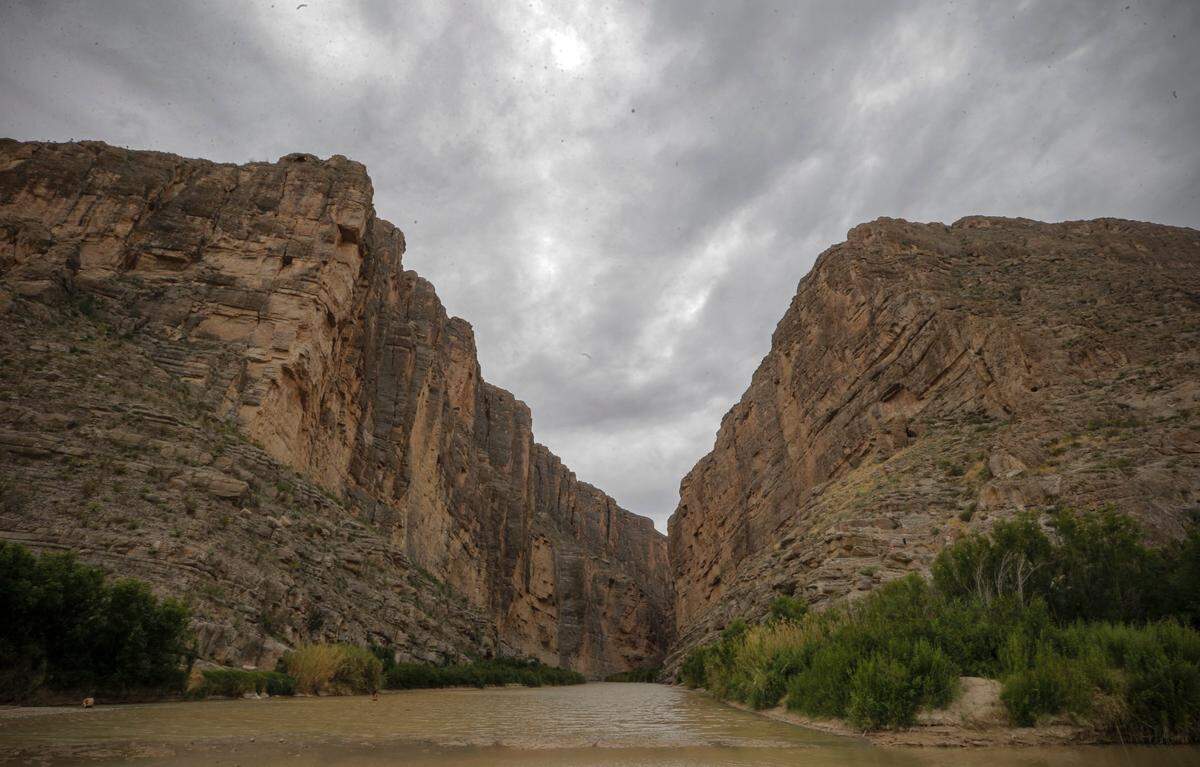
And lastly, Texas is home to two federally-protected national parks: Big Bend and the Guadalupe Mountains. Together, these two naturally-preserved lands make up 887,579 acres in West Texas.
Combining land protected by Texas Land Conservancy, state park land, and national parks, this only equals 1,692,672 acres of untouched nature.
The comparison of naturally-preserved land and the land dedicated to oil and energy production was a big reason why SmileHub ranked Texas so low in its study.
The study also notes that Texas is the second-to-last state when it comes to wildlife grant dollars per capita. However, Texas is the state with the third-most animal charities, according to the study. This suggests community support is greater than government-funded support for wildlife protection.
The bigger picture: How national park employee layoffs can affect Texas National Parks
The Trump administration fired around 1,000 newly-hired National Park employees on Feb. 14.
The job cuts have already resulted in long lines at some parks and canceled visitor reservations at others. But worse, officials say the workers who held a valuable contribution to the land leave the National Parks understaffed, putting visitors in danger.
“Fewer staff means shorter visitor center hours, delayed openings and closed campgrounds,” National Parks Conservation Association senior vice president of government affairs Kristen Brengel said in an Associated Press interview.
Brengel also predicted that bathrooms may not be cleaned for visitors, trash cans will pile up, littering the land, and a handful of guided tours risk being postponed.
Big Bend National Park in Texas is the sixteenth-largest park in the country. The effects of the layoffs could force larger parks to “function without cultural resources workers who help visitors interpret the park, fee collectors and even wastewater treatment operators,” says Brengel.
For a smaller-sized park like the Guadalupe Mountains, workers may just have to close visitor centers or other facilities.
This story was originally published February 24, 2025 at 12:32 PM.