When does daylight saving time end? Here’s when clocks fall back in Texas
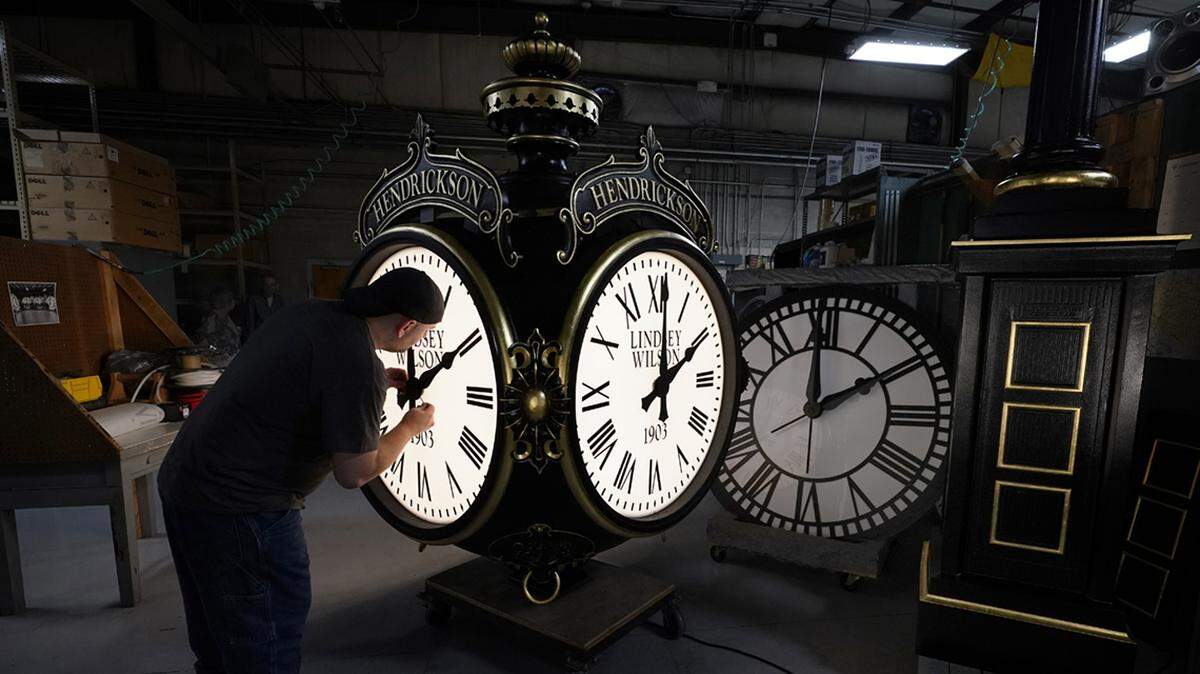
Daylight saving time is almost over for Texans.
At 2 a.m. on Nov. 3, Texans will gain an hour of sleep as clocks fall backwards. Daylight saving time begins every year on the second Sunday in March and ends the first Sunday in November.
So what is daylight saving time and why does it occur every year? Here’s what to know:
What is daylight saving time?
It’s more than just turning the clock forward and backward.
Daylight saving time is the method of moving the clocks forward one hour from standard time during the summer months and changing it back in the fall, according to the Old Farmers Almanac.
The central idea behind the change is that it gives people more time in the daylight over the spring and summer periods. The opposite is the case after daylight saving time changes, granting people more daylight in the morning over fall and winter.
Why was daylight saving time started?
World War I is where the practice originated.
In 1916, Germany decided to implement the first daylight saving time to maximize its usage of resources during sunlit hours. The United State followed suit two years later in 1918, adopting the seasonal time shift, according to National Geographic.
Is the proper term “daylight saving” or “daylight savings”?
The seasonal time shift is commonly said both ways, but only one is technically correct.
“Daylight saving time” is the correct version, since it means that the practice is saving daylight, according to Thesaurus.com. While the plural form of “savings” is more attributed to that of a savings bank account.