Feds want to protect monarch butterfly. Will the plan hurt the rural Texas economy?
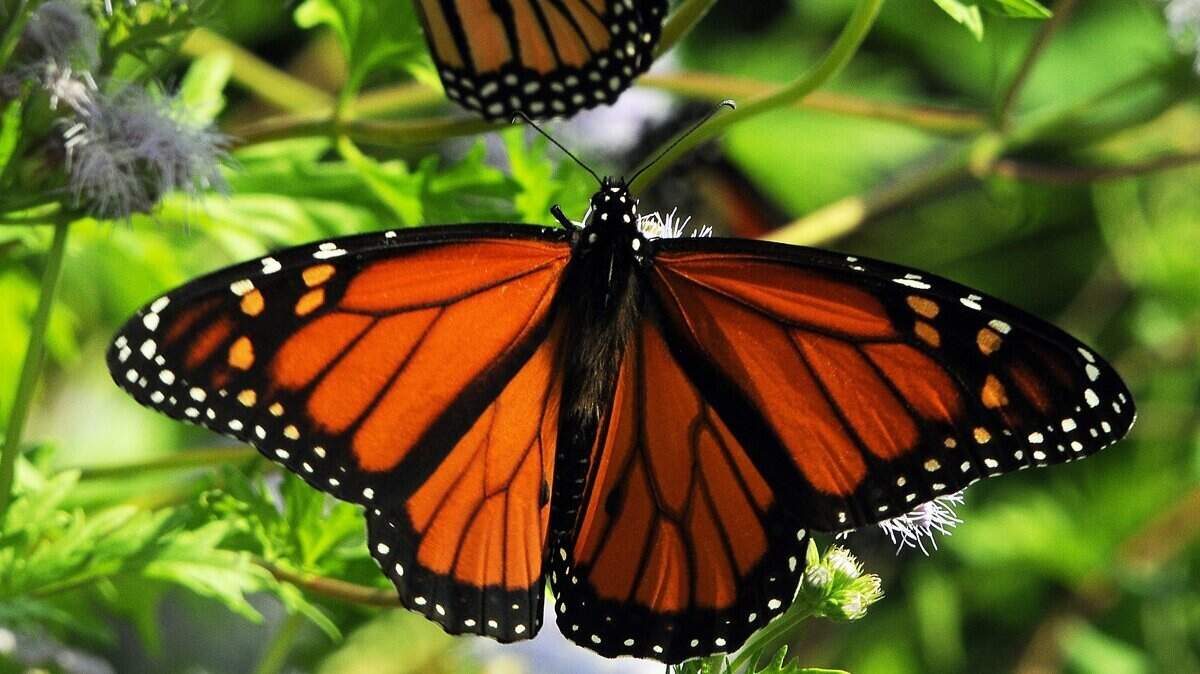
Texas Agriculture Commissioner Sid Miller did not take too kindly to the U.S. Fish & Wildlife Service’s announcement this week that it will seek protections for the monarch butterfly as a threatened species under the Endangered Species Act.
“This proposal isn’t about protecting butterflies,” Miller said in a statement published Wednesday, Dec. 11. “It’s about out-of-touch and out-of-control Washington bureaucrats forcing a radical agenda that punishes rural America and the people who call it home.”
The designation would be “federal government overreach which cripples agriculture and rural development,” he said before listing off a number of Texas industries that would suffer from the regulations it would impose.
“This designation would slap widespread restrictions on anything that might ‘disturb’ monarch habitat, making it nearly impossible to build or expand in rural areas,” Miller said. “We’re not just talking about farmland. This will impact dairies, wind and solar farms, football stadiums, roads, airports, railways, feedlots, rural hospitals, parking lots, logging, and mining — you name it. These restrictions will hit Texas farmers, ranchers, small businesses, and consumers where it hurts, threatening the very industries that drive our state’s and nation’s economies.”
Miller is “correct to sound the alarm,” according to Dirk Mateer, an economics professor at UT Austin.
“‘Monarch Habitat’ is quite ambiguous, that could be just about anything,” he said. “Just about all of Texas is part of the flyway zone monarchs use to reach overwintering sites in Mexico. The Texas Hill Country is a common stopover point along the route. What makes this proposal so perplexing is there is no shortage of space across Texas that monarchs can enjoy on their journey. I wish the monarchs well on their journey across Texas and the federal government would stop messing with Texas.”
But it’s still too early to be sounding such alarms, said Tierra Curry, a senior scientist with the Center for Biological Diversity, which originally petitioned the federal government to designate the monarch as a threatened species in 2014, a year in which the monarch’s population was the lowest ever recorded. Last year saw the species’ second-smallest population on record.
That’s because any regulations that may affect economic or agricultural activity in Texas have yet to be written, she said. The proposal is currently in a 90-day public comment period, during which the federal government is requesting the public’s input and information about the species in order to create the regulations.
“What they’re really trying to do is balance how to protect this amazing migration and this species that so many people love with the fact that it is such a widespread species, so that the protections aren’t overblown, that they’re enough to secure the future of the migrations,” Curry said.
The designation will allocate money for farmers and property owners who set aside parts of their land for the cultivation of milkweed and nectar plants, she said. Monarch butterflies eat and lay their eggs exclusively on milkweed.
“They’re still detailing what the activities are going to be that are exempted and prohibited, and what activities they’re going to fund, so I think that it is too early to say that it’s going to have a negative economic impact,” she said.
The Fish & Wildlife Service said it is ready and willing to work with residents and the private sector to find that balance Curry mentioned.
The Endangered Species Act gives the federal government broad authority to create species-specific regulations for animals and plants that receive threatened or endangered status, but that does not mean it will interpret that authority in an overbearing way.
A spokesperson for the service said the rule is “very flexible,” and that its ultimate goal is “to provide options for landowners to move forward with their actions on their property while helping species.”
The service has approved a Candidate Conservation Agreement with Assurances for the monarch, the spokesperson said. In exchange for certain conservation measures, this agreement gives property owners assurances that no additional conservation measures will be imposed if the covered species is listed under the Endangered Species Act.
The spokesperson said the Fish & Wildlife Service’s Habitat Conservation Plan is another way that it shows willingness to work with stakeholders in a species’ conservation efforts. It accommodates economic growth as much as possible by authorizing the limited and unintentional take of listed species when it is a result of otherwise lawful activities.
“The plan is designed not only to help landowners and communities but also to provide long-term benefits to species and their habitats,” the spokesperson said.
This story was originally published December 12, 2024 at 2:27 PM.