Expect it to feel much hotter in Fort Worth this week than temperatures say. Here’s why

Hot, humid weather continues later in the week through the weekend with highs from the upper 90s to around 103 — and afternoon heat index values can reach as high as 111, according to the National Weather Service in Fort Worth.
While temperatures in Texas are no walk in the park, what makes the weather feel unbearable is the humidity in combination with it. The heat index is what the temperature feels like to the human body when relative humidity is combined with the air temperature.
On Tuesday afternoon, while the temperature was 94 degrees, humidity was at 49%, making the heat index 102 degrees.
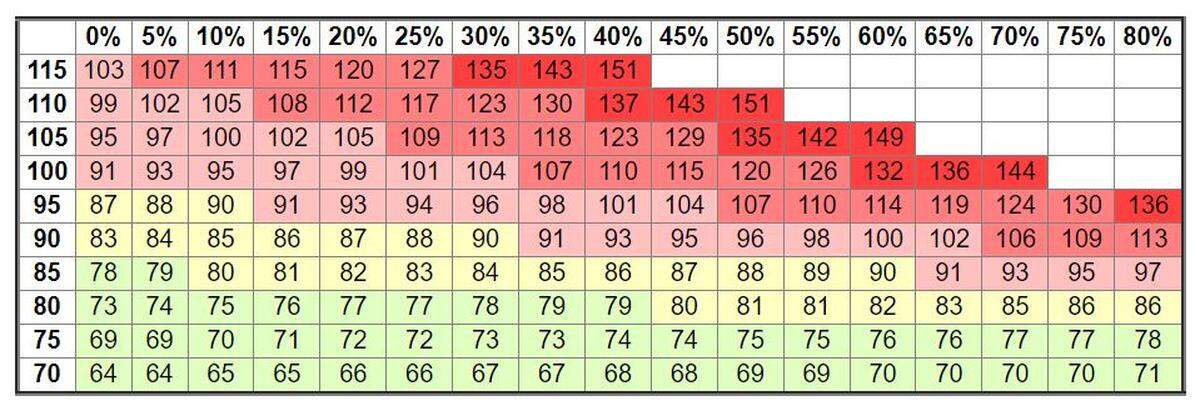
You may hear the term a lot during the extreme Texas heat because both humidity and heat affect comfort levels. National Weather Service heat alerts are based mainly on the heat index, when it’s expected to exceed 105 to 110 degrees for at least two consecutive days. That number will be the temperature that it will “feel” like.
When the body gets too hot, it begins to sweat to cool itself off. The evaporation of perspiration reduces the body’s temperature. When humidity is high, the rate of evaporation from the body decreases, so you’ll feel warmer.
As the air temperature and relative humidity increase, the heat index increases. If the air temperature is 100 degrees and the relative humidity is 55%, for example, the heat index will be 124 degrees. When humidity is low, the heat index can be lower than the temperature. If the air temperature is 100 degrees and the relative humidity is 15%, for example, the heat index is 96 degrees.
If you’re exposed to direct sunlight, the heat index value can be increased by up to 15 degrees. Heat indices meeting or exceeding 103 degrees can lead to dangerous heat disorders with prolonged exposure and/or physical activity in the heat. Here are the four classifications, per the National Weather Service:
- Caution: 80°F - 90°F. Fatigue possible with prolonged exposure and/or physical activity.
- Extreme Caution: 90°F - 103°F. Heat stroke, heat exhaustion or heat cramps possible with prolonged exposure and/or physical activity.
- Danger: 103°F - 124°F. Heat cramps or heat exhaustion likely, and heat stroke possible with prolonged exposure and/or physical activity.
- Extreme Danger: 125°F or higher. Heat stroke highly likely.
To calculate the heat index, enter the air temperature and relative humidity here. You can also use a heat index chart. When the heat index is high, make sure to drink plenty of water, avoid extended time outdoors, know the signs of heat illness and wear light-colored lightweight clothing.
This story was originally published July 12, 2023 at 3:18 AM.