
The Most Underrated Summer Travel Destinations Savvy Travelers Are Booking in 2026
Summer 2026 is shaping up to be the year travelers finally break from the script. Crowds at the usual European hotspots are pushing savvy vacationers toward quieter, cheaper and cooler alternatives — and the booking data shows the shift is already underway. If you want value, fewer selfie sticks and a story worth telling, the destinations winning summer 2026 are not the ones plastered across your feed last August.
Italy and Portugal are still growing, but slowing. Meanwhile, places most Americans cannot pinpoint on a map are surging triple digits. Here is what is driving the change — and the eight under-the-radar spots worth booking before everyone else catches on.
Why Summer 2026 Is Sending Travelers Off the Beaten Path
European demand remains the engine of summer travel. Seven of the top 10 most-booked destinations are European, with Italy holding the No. 1 spot, according to Fora’s summer 2026 travel trends report. Italy is up 15% and Portugal is up 29% — still climbing, but no longer the fastest-moving stories.
The real growth is happening farther afield. The Czech Republic is up 149%, Kyrgyzstan is up 135% and Australia is up 58%, with travelers seeking value and breathing room. A separate Airalo report on 2026 summer travel trends found many Americans are actively rethinking traditional European hotspots because of crowding concerns.
The other driver: “coolcationing.” Rising summer temperatures are pushing travelers toward Central Europe, the Nordics and southern hemisphere destinations where the weather is mild and the prices are reasonable.
The 8 Under-the-Radar Destinations Leading Summer 2026
These eight spots blend affordability, accessibility and the kind of character that disappears once a place goes viral.
- Turku, Finland. One of Finland’s oldest cities and its former capital, this southwest coast gem offers a thriving art and food scene, museums, riverboat tours and water sports — a city break and a seaside holiday in one.
- Kalymnos, Greece. About 40 km north of Kos and 400 km from Santorini, this rugged, mountainous Aegean island delivers white-washed villages and quiet beaches without the cruise-ship crush.
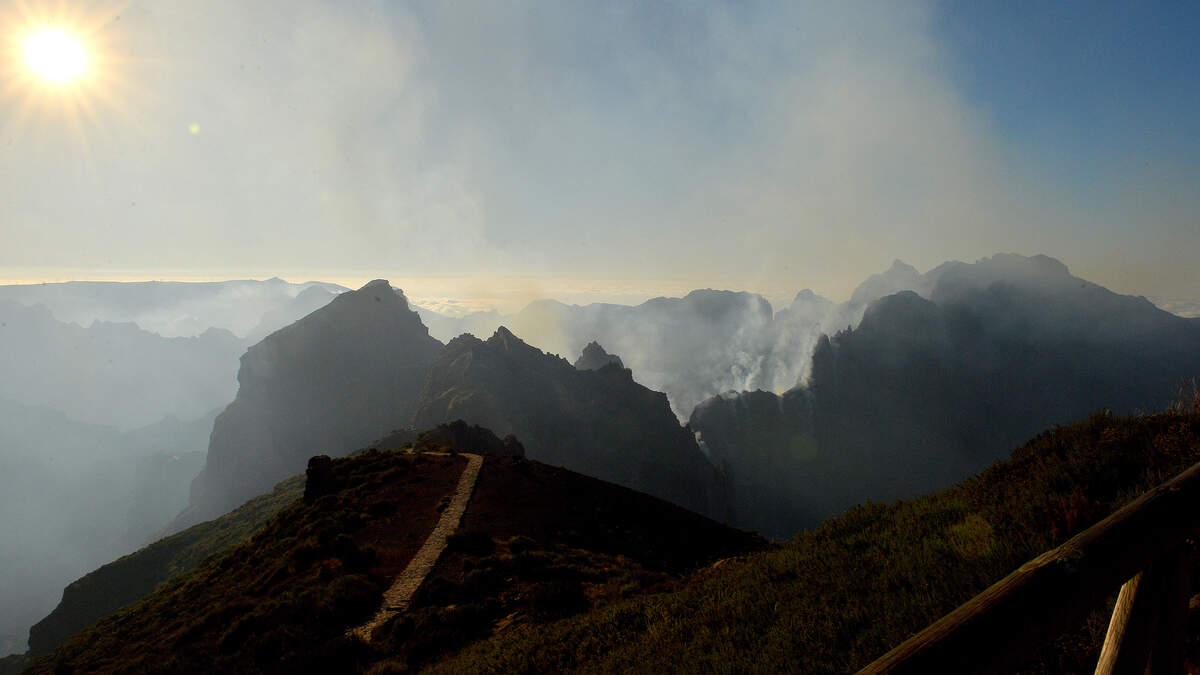
- Pico Island, Portugal. Portugal’s “Mountain Island” sits in the central Azores and is home to UNESCO-protected vineyards and Ponta do Pico, the highest mountain in Portugal. Spectacular hiking, whale-watching and far fewer crowds than Lisbon, Porto or Cascais.
- Sri Lanka. The Indian Ocean island nation off southeastern India is ridiculously affordable — but growing fast. Tea plantations, ancient Buddhist ruins, pristine beaches and rich biodiversity make it a top pick before overtourism arrives.
- Krakow, Poland. Breathtaking architecture, cobblestone streets and pints of beer under $3. Historic, buzzing and genuinely off the beaten track.
- Budapest, Hungary. A budget-friendly European capital split by the Danube into Buda and Pest. Expect fairytale architecture, thermal baths, ruin bars and paprika-heavy comfort food.
- Umbria, Italy. Italy’s best-kept secret — Tuscany’s charm without the tour buses. The only Italian region with no coastline and no foreign border, with rolling green hills, olive groves, hilltop villages and Lake Trasimeno.
- Adelaide, Australia. The coastal capital of South Australia just got dramatically easier to reach: United Airlines launched the first-ever nonstop flight from San Francisco in December 2025. The Aboriginal cultural centre Yitpi Yartapuultiku — meaning “Soul of Port Adelaide” — opened in June 2025, featuring Kaurna history, restored shoreline habitat and Aboriginal art, dance and music.
What ‘Coolcationing’ Means for Your Summer 2026 Plans
The summer 2026 takeaway is simple: heat, crowds and rising prices at the usual suspects are reshaping where Americans want to spend their vacation days. Whether that means Finland’s coast, Umbria’s hill towns or Adelaide’s wine country, the destinations rewarding travelers this year are the ones still flying under the radar — but not for much longer.
This article was created by content specialists using various tools, including AI.
.jpeg)