
These tips might mean success for your next backyard garden
Half of your victories in gardening come from doing the right things. The other half will come from doing them at the right times.
That’s especially true with vegetable gardening here in North Texas. With interest in backyard vegetable plots greater last year than I’ve ever seen before, I thought this would be a good time to outline the critical steps you’ll need to follow.
- Start small. Keep it manageable. Grow only those crops your family really enjoys.
- Plant in full sun. All flowering and fruiting vegetables produce best when they have direct sunlight all day. Leafy and root crops can tolerate two or three hours of light afternoon shade, but full sun is still better.
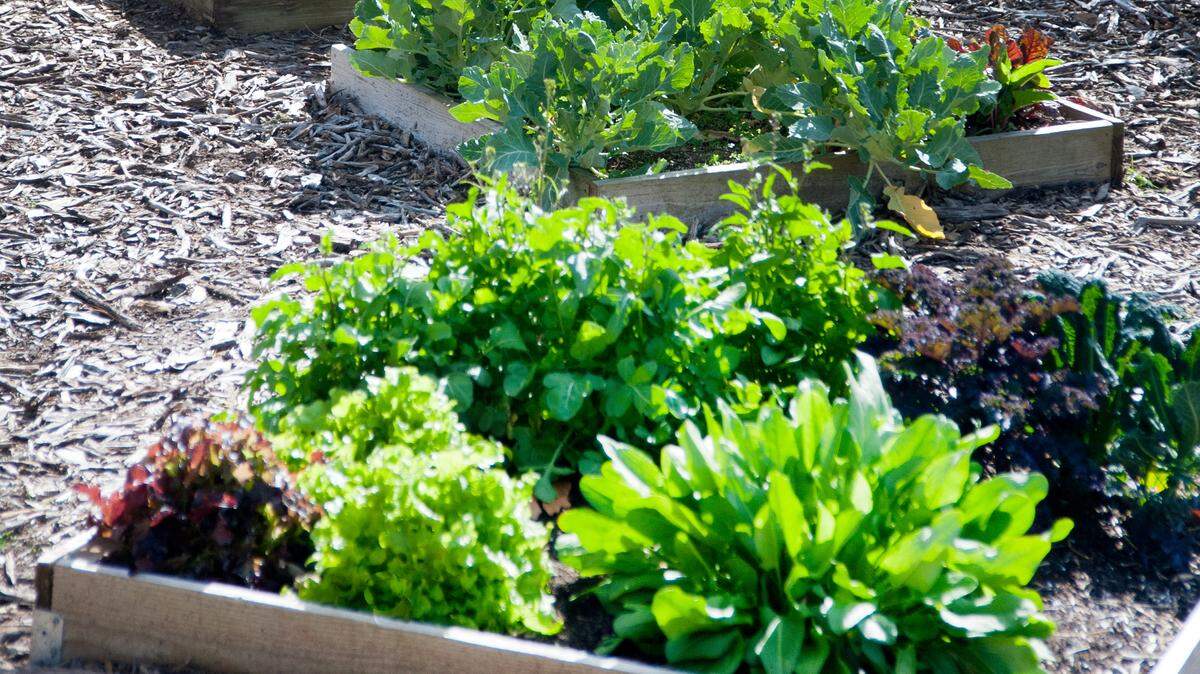
- Good drainage is essential. Therefore, raised beds are ideal. Use 1x4 timbers, bricks, concrete blocks or river rocks to raise the planting beds to ensure perfect drainage during prolonged rainy spells in springtime.
- Prepare soil carefully. Incorporate 5 to 6 inches of various types of organic matter into the soil to loosen clay soils and to help sandy soils retain moisture and nutrients. Best choices include sphagnum peat moss, well-rotted compost, finely ground pine bark mulch and well-rotted manure. Include 1 inch of expanded shale if you’re amending clay soil.
- Do not overcrowd your plantings. Know the proper spacing for each crop, both within their rows and between rows. Crowded plantings become weak and unproductive. Don’t be afraid to thin out your seedlings.
Plant at the proper time
This may be the most critical place where I see North Texans falling short. You have a two- or three-week planting window, and if you miss that because of rainy or cold weather or because you simply got busy with something else, you might be better off just not planting those vegetables this time around.
Here are the several critical planting times and the crops that go with them. You might want to hang onto this for reference as your spring garden unfolds. Note that the first date will roll around in less than one month!
Late January-early February
This group includes vegetables that should be planted 6 to 8 weeks prior to the average date of the final killing freeze (March 20-22 for North Central Texas). These are the crops that either require the longest season to mature, or that simply cannot handle any hot weather at all. English peas and onions fall into this category. Snap-type peas are far more productive in Texas than shelling English peas. With onions, stick with a well-adapted type such Texas Supersweet (1015-Y), developed by Texas A&M.
Asparagus is a perennial vegetable, and if you want to include it in your garden, plant it in January. Look for plump, 2-year-old roots at an independent nursery or feed store, and plant them as soon as you get them home. They get quite large, so allow ample space and plant them where they can grow for many years.
Mid-February
This group includes vegetables that are set out 4 weeks prior to the last killing freeze date. The list includes cabbage, broccoli, cauliflower, Brussels sprouts and Irish potatoes.
Plant the Cole crops from toughened nursery transplants for the most reliable start. Plant your spuds from certified seed potatoes from a nursery or farm store.
Late February
This is primarily leafy and root vegetables that need cool conditions to mature. They’re plants, that if sown too late, will develop hot or bitter and off-flavored stems, leaves and roots.
The list includes radishes, leaf lettuce (avoid firm-headed types here), spinach, carrots, beets, chard and turnips, among others. All of these are started from fresh, high-quality seed.
Last half of March
This is the batch of vegetables most gardeners think of first.
They are planted on, or within two weeks after the average date of the last killing freeze. The list includes tomatoes, peppers, beans, squash, cucumbers, corn and melons. Some specific tips would be in order.
First, buy tomatoes and peppers as toughened potted nursery transplants. The rest are grown from seeds. Avoid large-fruiting tomato varieties at all costs. Mark the words: large-fruiting tomatoes will not set fruit abundantly in our hot climate. Stick with small and mid-sized varieties.
Squash and cucumbers are easy, but you may have to hand-pollinate them if you don’t see good bee activity. Corn must be planted in squares or rectangles in order that the ears can be pollinated by the wind. You’ll need at least a 10-by-20-foot block, and that’s more room than most home gardeners have. Similarly, melons gobble up ground space.
Mid-April and after
There is a small cluster of crops that need really warm soil to grow and prosper. It includes eggplants, southern peas, okra and sweet potatoes. All of these should be planted 4 to 6 weeks after the last killing freeze.
Okra is another space-user, so you have to be committed to grow and use it. If it’s not a family favorite, save your space for some crop that is. Sweet potatoes require sandy, well-draining soil, and they, too, use a lot of room. Feed stores and a few nurseries sell them in late April into early May.
You can hear Neil Sperry on KLIF 570AM on Saturday afternoons 1-3 pm and on WBAP 820AM Sunday mornings 8-10 am. Join him at www.neilsperry.com and follow him on Facebook.